Language
  EN
EN RU
RU ES
ES DE
DE EL
EL IT
IT JA
JA KO
KO PT
PT ID
ID SR
SR UK
UK VI
VI TH
TH TR
TR MS
MS BE
BE AR
ARCommon Rail High-Pressure Pump Tester for ZME/SCV Metering Units
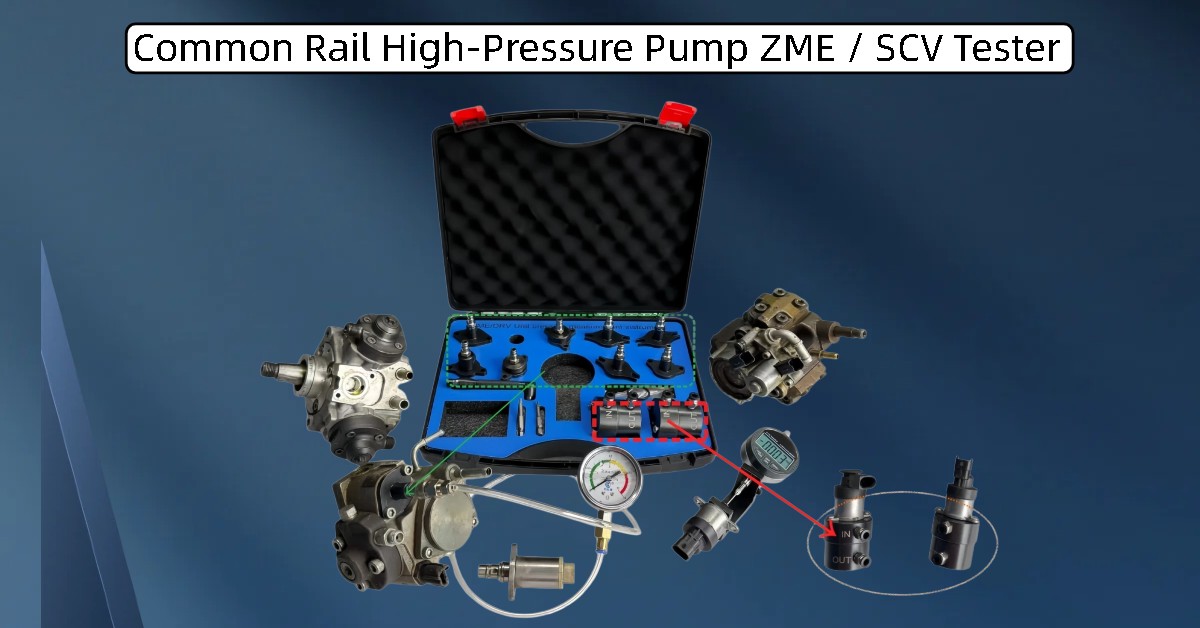
Common Rail High-Pressure Pump Tester for ZME/SCV Metering Units
Modern common rail diesel systems require precise fuel pressure control to achieve stable engine performance, low emissions, and efficient fuel injection. When the high-pressure fuel system develops a fault, technicians need reliable testing equipment to determine whether the problem comes from the high-pressure pump, metering unit, or fuel pressure control valve.
A common rail high-pressure pump tester provides a practical solution for testing and diagnosing key fuel pressure control components. In particular, a tester designed for ZME and SCV metering units can help technicians evaluate component operation before replacing expensive parts.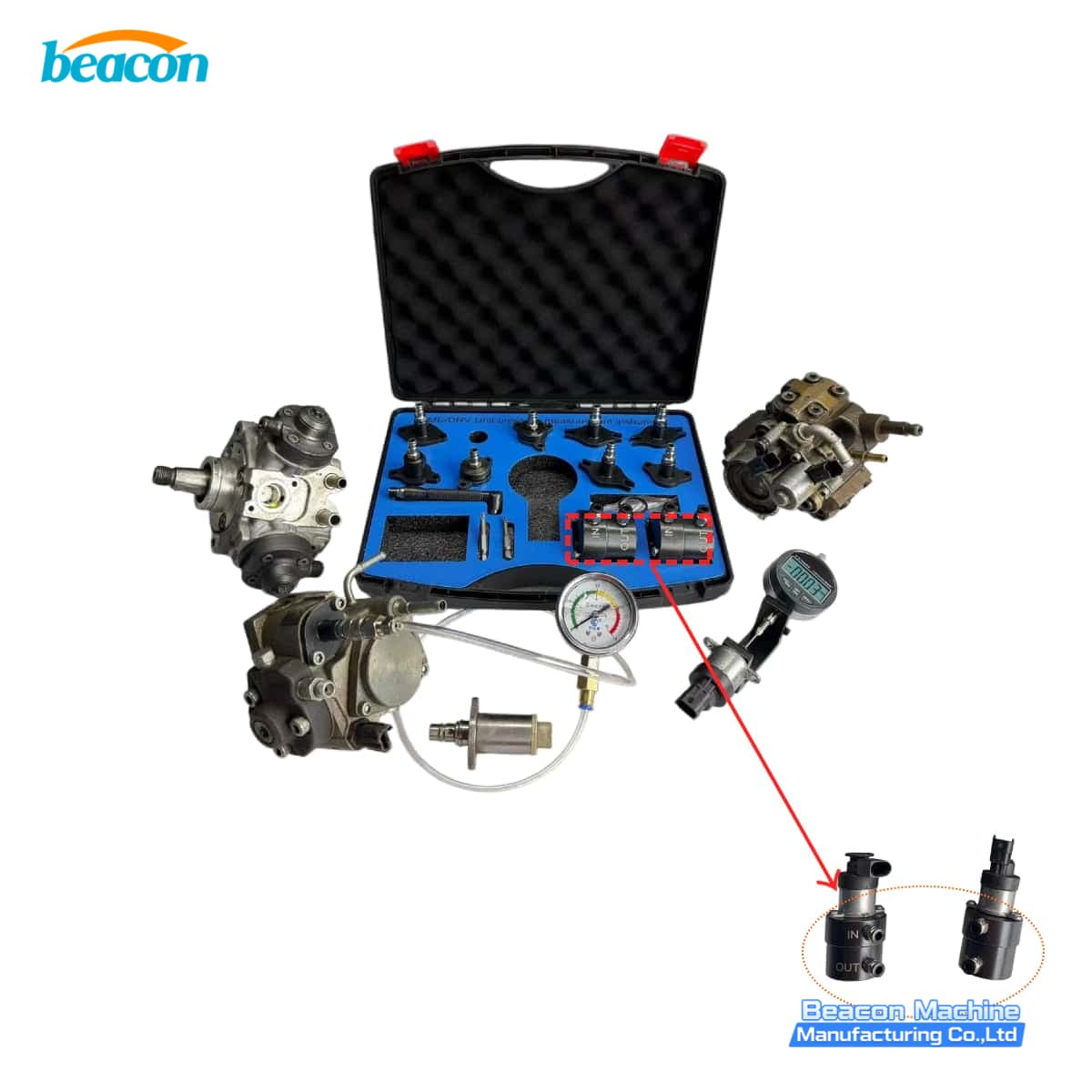
What Are ZME and SCV Metering Units?
ZME and SCV are commonly used terms for fuel metering components installed on common rail high-pressure pumps.
The ZME (Zulaufmengenregelventil) is a fuel quantity control valve used to regulate the amount of fuel supplied to the high-pressure pump. By controlling the fuel entering the pump, the valve helps maintain the required rail pressure under different engine operating conditions.
The SCV (Suction Control Valve) performs a similar fuel metering function in many common rail systems. It controls the amount of fuel drawn into the high-pressure pump and therefore influences the pressure generated by the pump.
Although terminology and designs can vary between manufacturers and fuel systems, both components play an important role in high-pressure fuel pressure regulation.
Why Test the ZME/SCV Metering Unit?
A faulty metering unit can cause symptoms that appear to originate from other parts of the fuel system.
Common symptoms may include:
Difficult engine starting
Unstable engine idle
Engine hesitation or poor acceleration
Insufficient or excessive rail pressure
Engine stalling
Reduced engine power
Increased fuel consumption
Diagnostic trouble codes related to fuel pressure
Replacing a ZME or SCV without confirming its condition can result in unnecessary repair costs. A dedicated tester allows technicians to evaluate the component and make a more informed diagnosis.
What Is a Fuel Pressure Control Valve Tester?
A fuel pressure control valve tester is diagnostic equipment designed to evaluate the electrical and operating characteristics of fuel metering or pressure control valves.
Depending on the tester configuration, testing may include checking:
Valve actuation
Electrical response
Coil condition
Current characteristics
Valve opening and closing behavior
Response to different control signals
Abnormal or inconsistent operation
The exact testing functions depend on the tester model and supported valve types.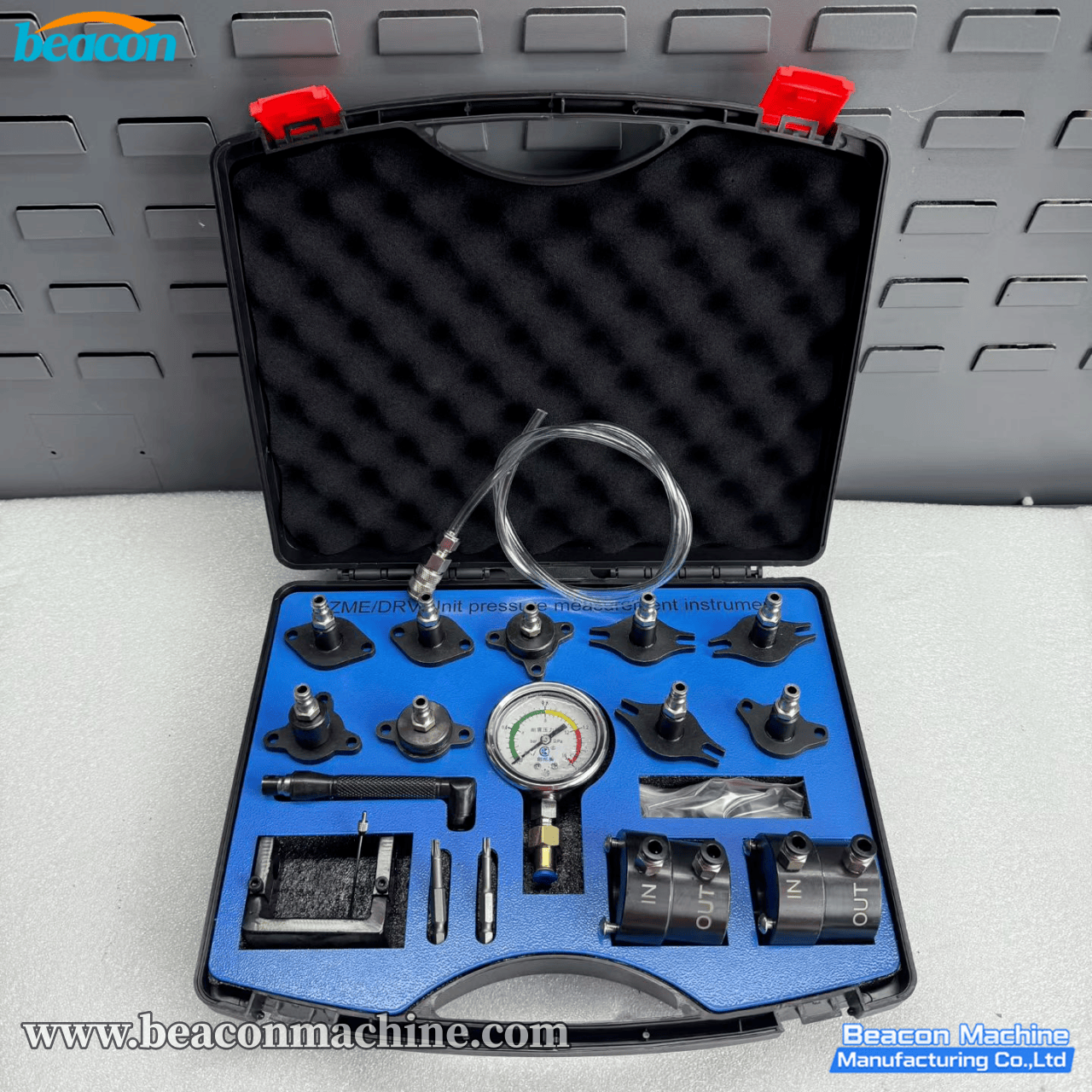
How Does a Common Rail Pump Tester Help Diagnose Fuel System Problems?
A common rail high-pressure pump system contains multiple components that work together. A pressure problem does not necessarily mean that the high-pressure pump itself is defective.
A systematic diagnostic process can help isolate the faulty component.
Step 1: Check the Fuel System
Before testing the metering unit, technicians should check basic fuel supply conditions, including fuel quality, fuel filters, fuel lines, and low-pressure fuel delivery.
Step 2: Check Diagnostic Fault Codes
The vehicle ECU may record fault codes associated with rail pressure, fuel metering, or pressure regulation. These codes can provide useful information but should not be used as the only basis for replacing components.
Step 3: Test the ZME/SCV Metering Unit
The metering unit can then be tested with an appropriate tester. The test results can help determine whether the valve responds correctly to the required control signals.
Step 4: Evaluate the High-Pressure Pump
If the metering unit is operating normally but the fuel pressure remains outside the expected range, further testing of the high-pressure pump and other common rail components may be required.
Step 5: Confirm the Diagnosis
The final diagnosis should be based on the combined test results rather than a single symptom or fault code.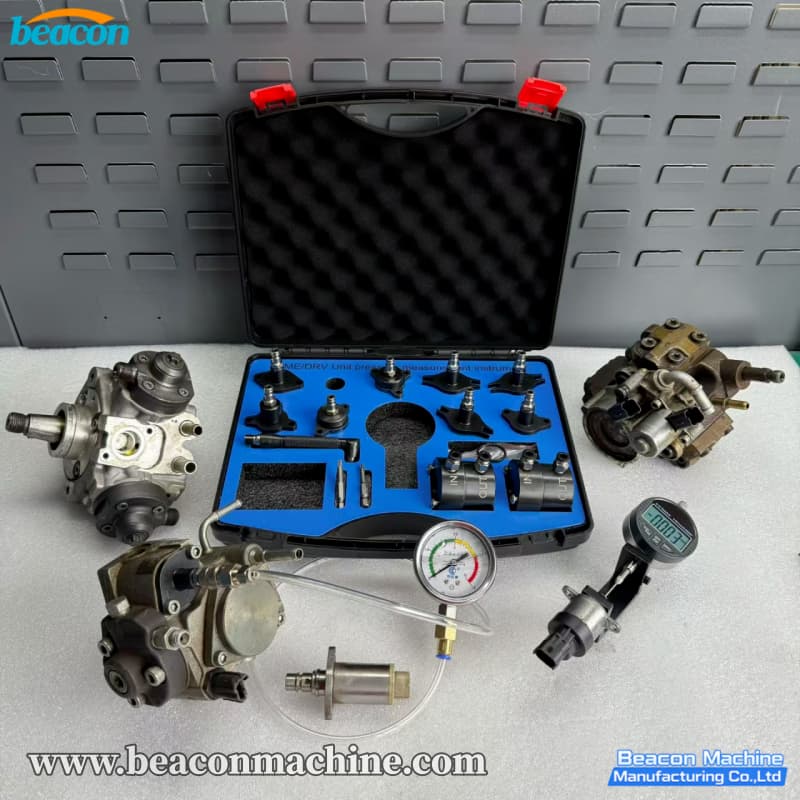
Key Benefits of Using a ZME/SCV Tester
Using dedicated testing equipment can provide several advantages for diesel repair workshops and fuel system specialists.
Accurate Component Diagnosis
The tester helps technicians determine whether a metering unit or pressure control valve is functioning correctly.
Reduced Unnecessary Replacement
Testing components before replacement can reduce unnecessary parts costs and improve repair efficiency.
Faster Troubleshooting
A structured testing process can shorten the time required to identify fuel system faults.
Workshop Efficiency
Dedicated common rail testing equipment can support repeated component testing in professional diesel workshops and fuel injection service centers.
Better Maintenance Decisions
Test results can help technicians determine whether a component should be reused, serviced, or replaced.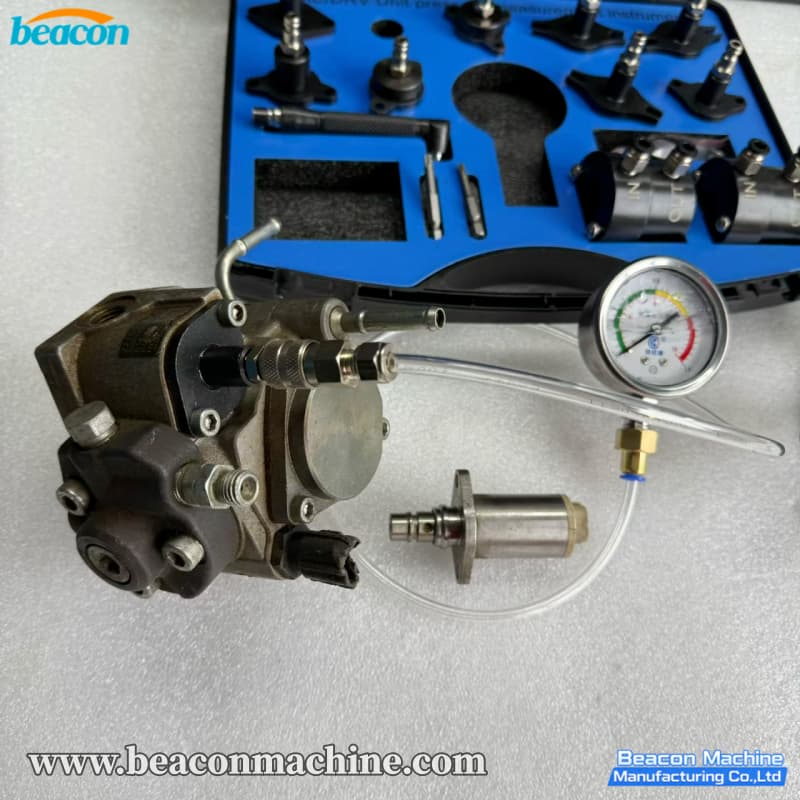
Application Scenarios
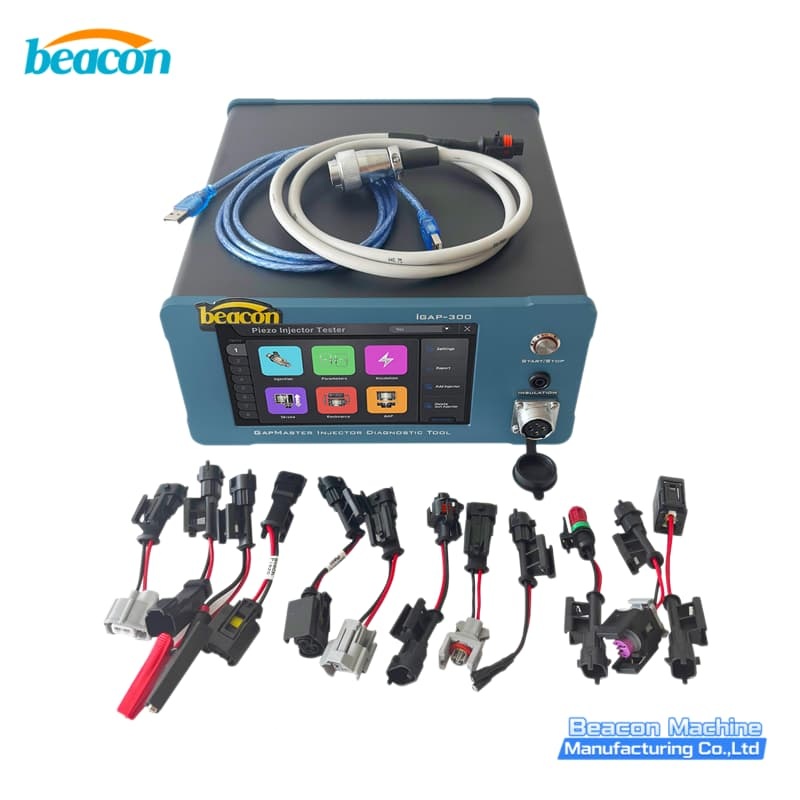
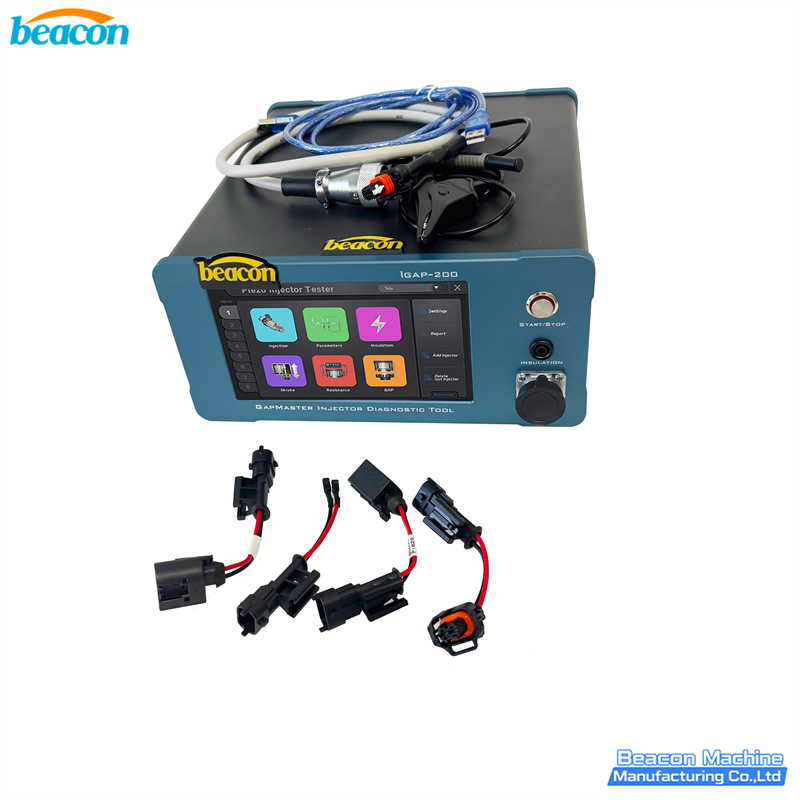
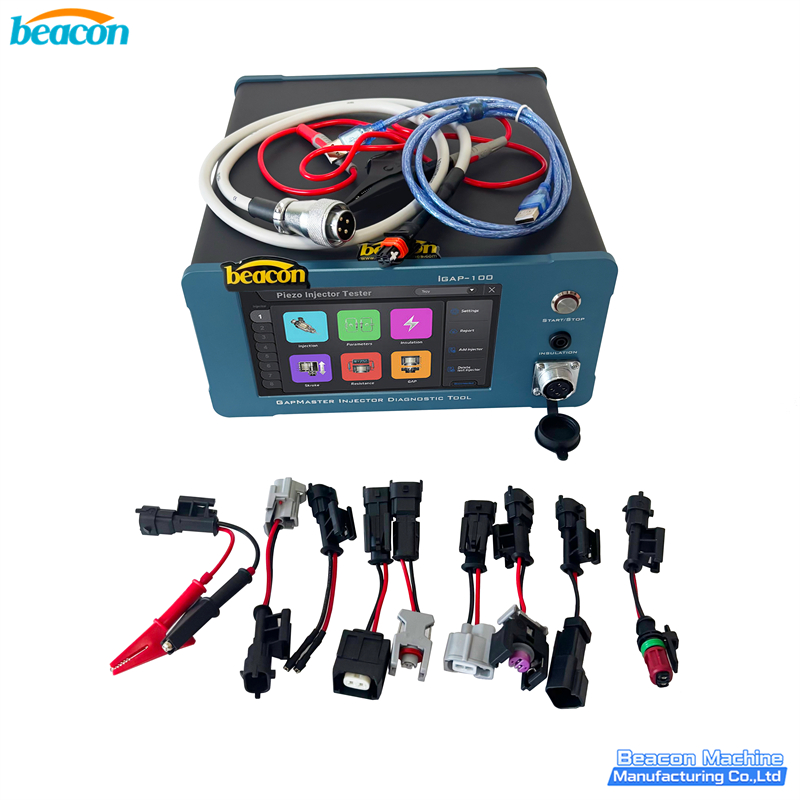
The Common Rail High-Pressure Pump ZME/SCV Metering Unit & Fuel Pressure Control Valve Tester can be used in various professional applications.
1. Diesel Repair Workshops
Automotive repair technicians can use the tester to diagnose fuel pressure-related problems before replacing common rail components.
2. Diesel Fuel Injection Service Centers
Fuel injection specialists can test ZME/SCV metering units and pressure control components as part of component-level inspection and repair.
3. Common Rail Pump Remanufacturing
During high-pressure pump rebuilding or remanufacturing, metering components can be checked to help ensure proper system operation.
4. Automotive Diagnostic Training
The tester can also be used for technical training, helping students understand the relationship between fuel metering, high-pressure pumps, and common rail pressure control.
5. Preventive Component Inspection
When a vehicle shows intermittent fuel pressure problems, component testing can help identify potential faults before they develop into more serious system failures.
Frequently Asked Questions
What is a ZME metering unit?
A ZME metering unit is a fuel quantity control valve used on certain common rail high-pressure pumps. It regulates the amount of fuel supplied to the pump to help control fuel rail pressure.
What is an SCV?
SCV stands for Suction Control Valve. It regulates fuel entering the high-pressure pump and plays an important role in common rail pressure management.
Are ZME and SCV the same component?
They perform similar fuel metering functions, but the terminology, design, electrical characteristics, and application can vary between fuel system manufacturers and pump models. Compatibility should always be confirmed before testing.
Why does a ZME/SCV need to be tested?
A defective metering unit can cause unstable rail pressure, starting difficulties, poor engine performance, or engine stalling. Testing helps determine whether the component is contributing to the fault.
Can a fuel pressure control valve tester test every SCV or ZME?
Not necessarily. Different valves may have different electrical specifications, control characteristics, and mechanical designs. Always verify that the tester supports the specific component being tested.
Can the tester replace a complete common rail pump test bench?
A metering unit or pressure control valve tester is designed for component-level diagnosis. It should not automatically be considered a substitute for a complete high-pressure pump test bench unless the equipment specifications explicitly support full pump testing.
What should be checked before testing a metering unit?
Technicians should verify the valve type, electrical specifications, connector, application, and tester compatibility. The fuel system itself should also be inspected for contamination, blocked filters, wiring problems, and other possible causes of abnormal pressure.
Conclusion
The Common Rail High-Pressure Pump ZME/SCV Metering Unit & Fuel Pressure Control Valve Tester provides a practical solution for component-level diagnosis of common rail fuel systems. By testing metering units and pressure control valves before replacing them, diesel technicians can improve troubleshooting efficiency, reduce unnecessary parts replacement, and make more reliable repair decisions.
For professional diesel workshops, fuel injection service centers, and common rail pump specialists, dedicated testing equipment can be an important part of a systematic fuel system diagnostic process.
contact us
TEL: +86-13375386258
Whatsapp:+86-13375386258
Email: jasonzheng@beacon-machine.com
Address: High Tech Industry Zone of East Tai an city,Shandong Province,China