Language
  EN
EN RU
RU ES
ES DE
DE EL
EL IT
IT JA
JA KO
KO PT
PT ID
ID SR
SR UK
UK VI
VI TH
TH TR
TR MS
MS BE
BE AR
ARDynamic Balancing Solutions for Rollers Cylinders and Rubber Rolls
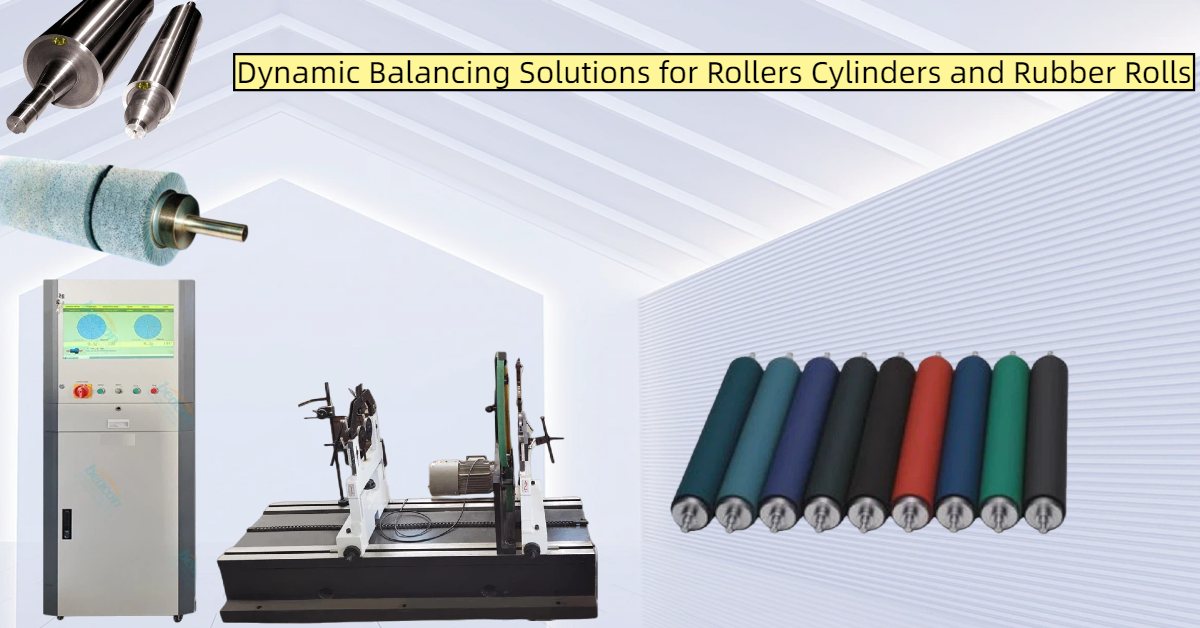
In the manufacturing sectors of bi-axially oriented film machinery, slitting and rewinding, leather processing, food packaging, plastics, and non-woven fabrics, the quality of rotating components is paramount. Rotors in the roller and cylinder industries come in various forms, and their stability is critical for production efficiency.
Here, we summarize four key types of rotors—Calender Rolls, Brush Rolls, Rubber Rolls, and Cylinders—and discuss why dynamic balancing is crucial, along with the suitable balancing machine models (YYQ Belt Drive and YYW Universal Joint).
Calender Rolls
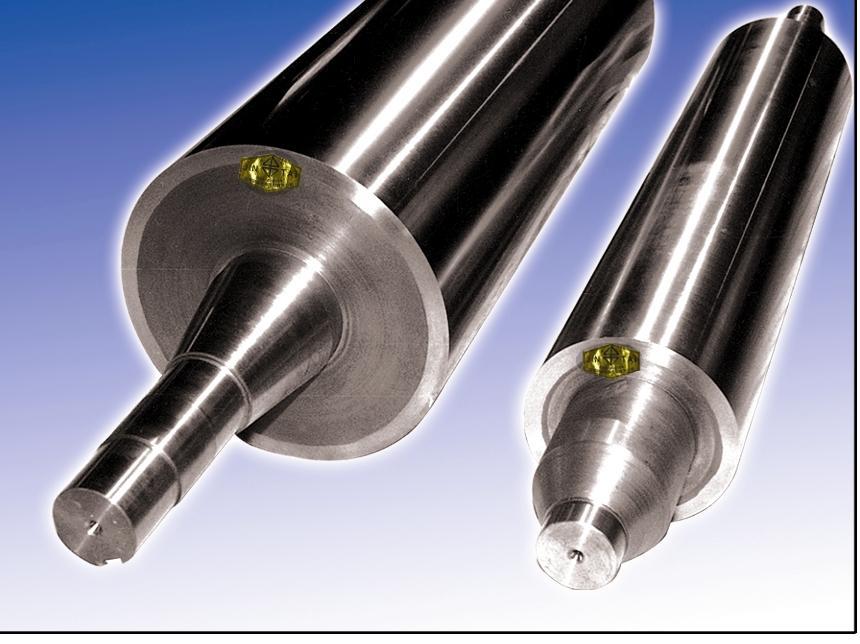
To reduce shock vibration in equipment, prevent premature wear of the roll surface, and significantly extend the service life of machine components, dynamic balancing is essential. Improving the balance quality of calender rolls leads to smoother operation and higher product consistency.
Recommended Equipment: Belt Drive Balancing Machines, Universal Joint Balancing Machines.
2. Brush Rolls
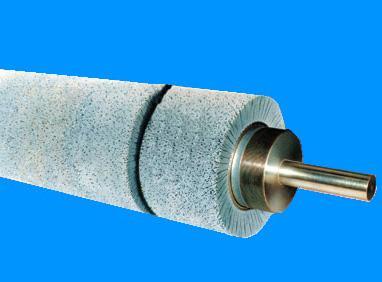
Brush rolls often operate at high speeds. Any unbalance creates significant centrifugal force, affecting the quality of the brushing process and the lifespan of the roll itself. Dynamic balancing detection and correction are required to minimize vibration during operation, reduce wear, and extend the usable life of the brush roll.
Recommended Equipment: Belt Drive Balancing Machines, Universal Joint Balancing Machines.
3. Rubber Rolls
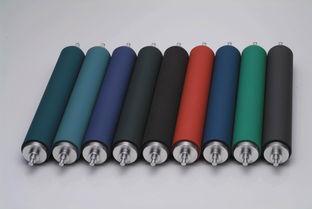
Rubber rolls face specific challenges. During operation, they generate heat that cannot always dissipate quickly, leading to high internal temperatures. If combined with poor bearing performance or friction caused by "jumping" against ink rollers, the rubber roll’s lifespan is severely compromised. Dynamic balancing improves the roll's mass distribution, reducing vibration-induced friction and squeezing, thereby enhancing the quality and longevity of the rubber roll.
Recommended Equipment: Belt Drive Balancing Machines, Universal Joint Balancing Machines.
4. Cylinders (Drums)
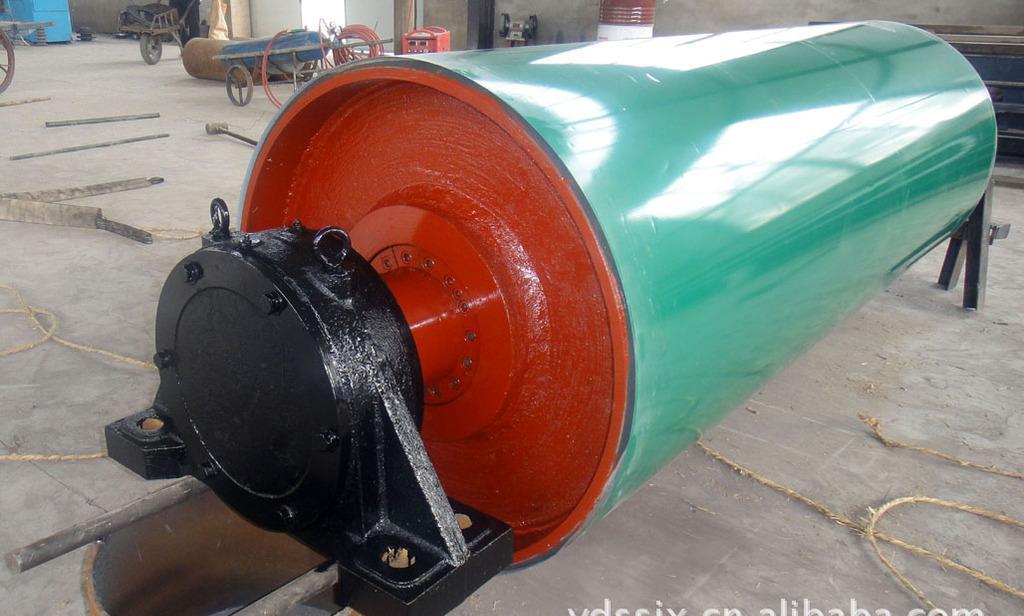
When industrial cylinders or drums run at high speeds, failing to meet the required balance precision can have severe adverse effects on the entire machine assembly. Dynamic balancing solves these issues by ensuring the cylinder rotates within allowable tolerance levels, protecting the machinery from damaging vibrations.
Recommended Equipment: Belt Drive Balancing Machines, Universal Joint Balancing Machines.
Choosing the Right Balancing Machine
Based on the rotors described above, two primary types of balancing machines are recommended:
1. YYQ Series Belt Drive Balancing Machines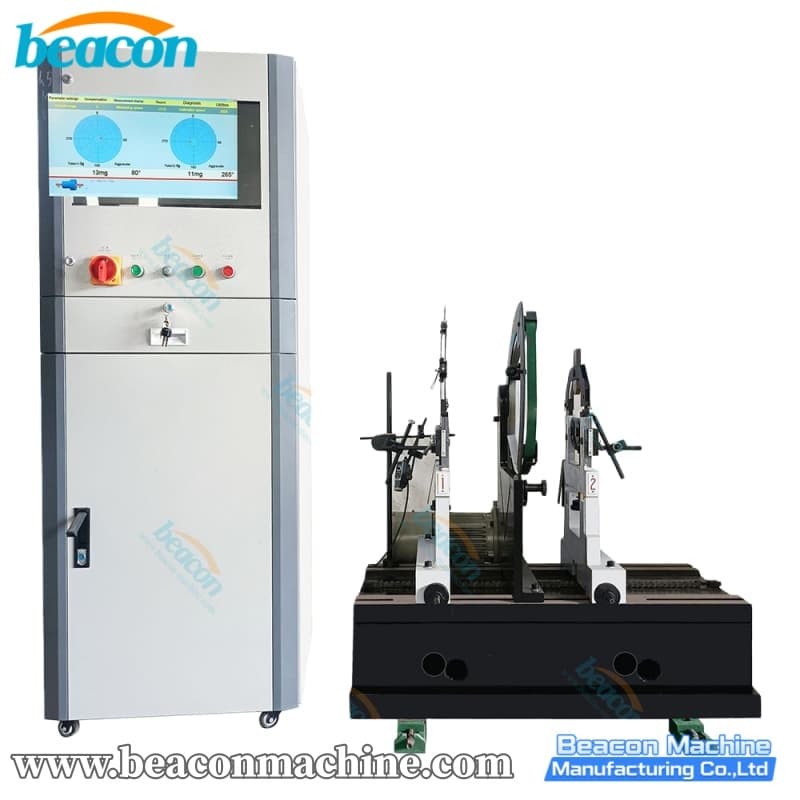
The YYQ series is particularly suitable for motor rotors, fan impellers, pump impellers, turbocharger rotors, rubber rolls, machine tool spindles, and crankshafts.
Key Advantages: It uses a ring belt for direct transmission, eliminating errors caused by fixtures or clamps. It offers simple operation and high detection precision.
2. YYW Series Universal Joint Balancing Machines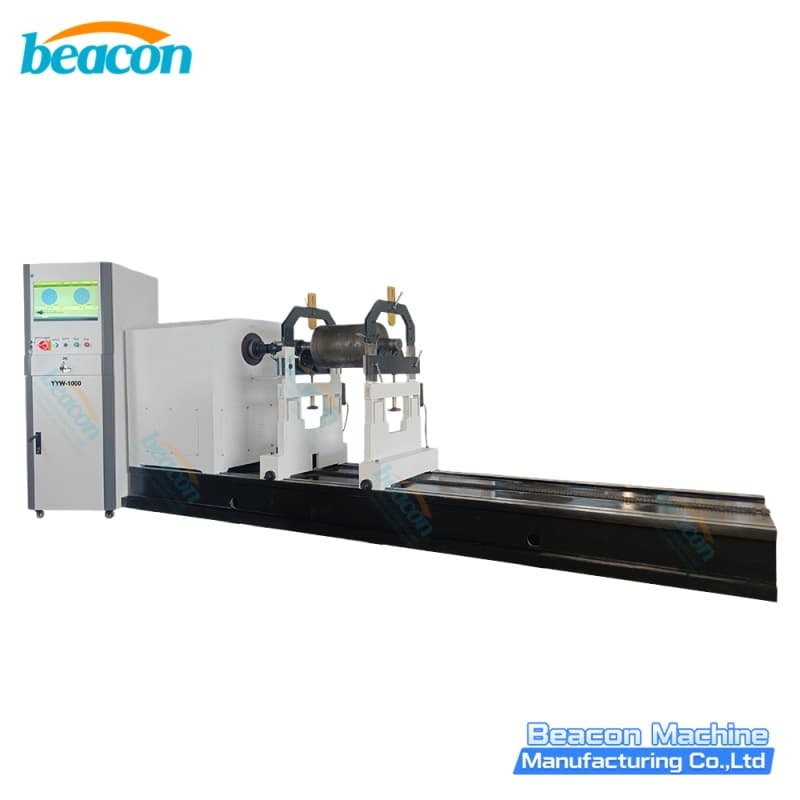
The YYW series is designed for larger or more complex applications such as large fans, large motors, centrifuges, rubber rolls, drying cylinders, and internal combustion engines. It is ideal for rotors where belt drives cannot be used (due to irregular outer surfaces) or where high transmission power is required.
Key Advantages: Suitable for rotors with overhung centers of gravity. The universal joint transmission delivers high torque and power, ensuring stable operation.
Note: Some machines can be equipped with both belt drive and universal joint transmission systems to maximize versatility.

contact us
TEL: +86-13375386258
Whatsapp:+86-13375386258
Email: jasonzheng@beacon-machine.com
Address: High Tech Industry Zone of East Tai an city,Shandong Province,China