Language
  EN
EN RU
RU ES
ES DE
DE EL
EL IT
IT JA
JA KO
KO PT
PT ID
ID SR
SR UK
UK VI
VI TH
TH TR
TR MS
MS BE
BE AR
ARHow to Test and Repair a Bosch CP4 High-Pressure Fuel Pump: Part Numbers, Vehicle Applications and Test Bench Guide
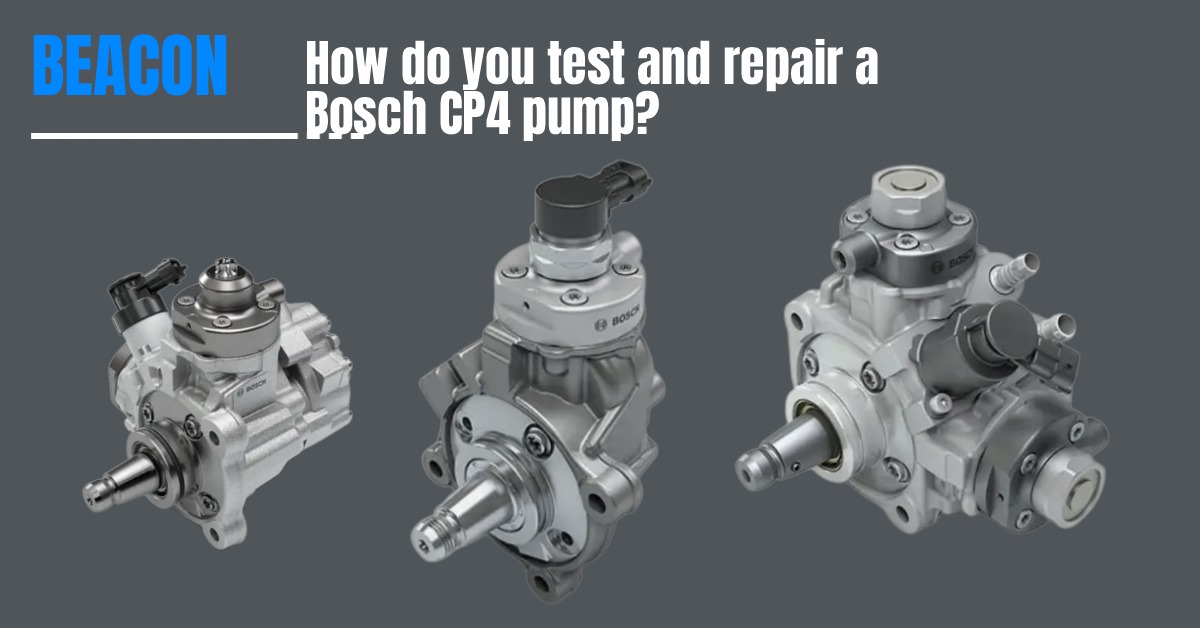
Ultimate Technical Guide: How to Repair and Test a BOSCH CP4 Pump
The BOSCH CP4 high-pressure pump is a staple in modern diesel common rail systems. According to Bosch Mobility Solutions, the CP4 is designed to be lightweight, modular, and highly efficient, capable of delivering extreme pressures (up to 2,700 bar in newer iterations) to meet stringent emission standards.
However, due to varying diesel fuel lubricity and rigorous operating conditions, the CP4 pump is prone to wear and tear, making it a highly requested repair item in diesel workshops. In this guide, we will break down the common CP4 part numbers, how to properly disassemble them, and the precise methodology for testing them using professional test benches.
Common Vehicles, Engines, and BOSCH CP4 Part Numbers
For repair shops, identifying the correct pump is the first step. The CP4 pump is widely used across major automotive brands, including Ford, General Motors (GM), Volkswagen (VW), Audi, and BMW.
Below is a detailed reference table of common BOSCH CP4 part numbers to help you quickly identify the pump in your shop:
| Vehicle Maker | Vehicle Model / Year | Engine Type | BOSCH CP4 Part Number | Pump Type |
| Ford | F-250/F-350 Super Duty (2011+) | 6.7L Powerstroke | 0445010687 / 0445010851 | CP4.2 (Twin Piston) |
| GMC / Chevy | Silverado/Sierra 2500HD (2011-2016) | 6.6L Duramax LML | 0445010616 / 0445010686 | CP4.2 (Twin Piston) |
| VW / Audi | Jetta, Golf, Passat, A3 (2009-2014) | 2.0L TDI (CBEA/CJAA) | 0445010511 / 0445010533 | CP4.1 (Single Piston) |
| Audi / Porsche | Q7, Touareg, Cayenne (2009+) | 3.0L TDI V6 | 0445010537 / 0445010673 | CP4.2 (Twin Piston) |
| BMW | 335d, X5 xDrive35d (2009+) | 3.0L M57/N57 | 0445010516 / 0445010565 | CP4.1 / CP4.2 |
| Jeep / Ram | Grand Cherokee, Ram 1500 (2014+) | 3.0L EcoDiesel | 0445010672 | CP4.2 (Twin Piston) |
(Note: Always verify the exact part number on the pump's data plate before ordering parts or initiating tests.)
Step 1: Disassembly and Repair using G4-29 Tools
You cannot successfully repair a CP4 pump without the right tools. Improper disassembly can damage the delicate internal cam, rollers, and plungers.
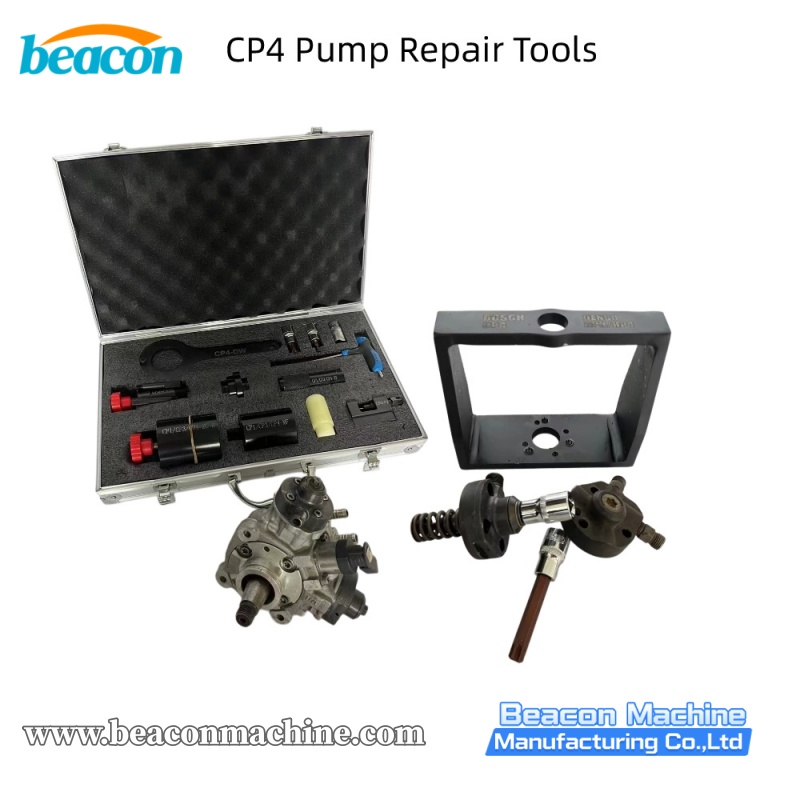
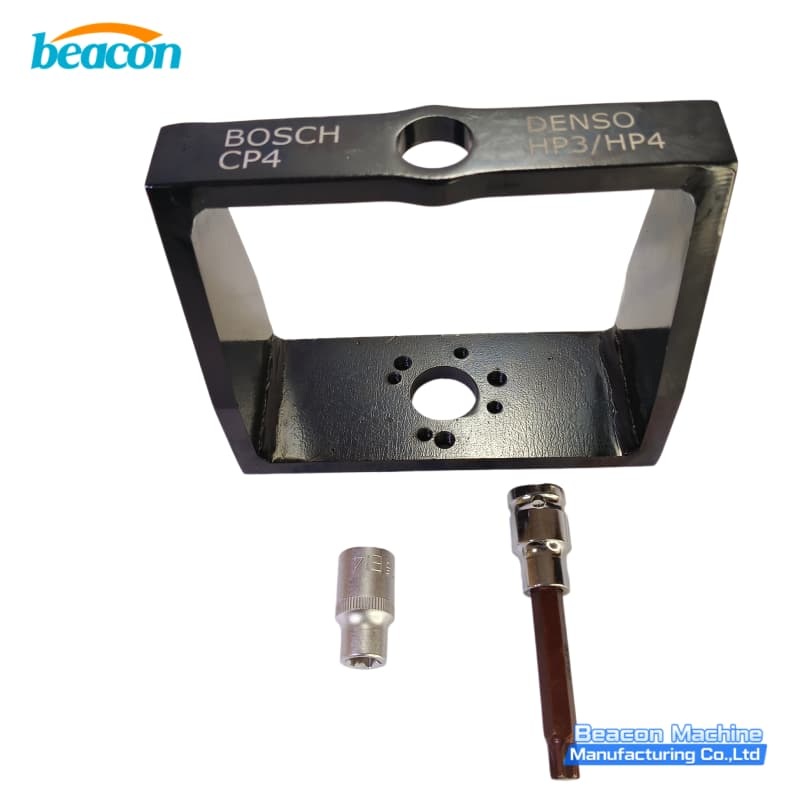
Caption: Beacon G4-29 CP4 Pump Repair Tool Kit.
To streamline your workflow, we highly recommend the G4-29 CP4 Pump Repair Tool Kit. This professional-grade kit is tailored specifically for CP4 architectures. It includes specialized pullers, alignment pins, and sockets required to safely extract the metering unit (ZME), gear shafts, and plunger assemblies. Using the G4-29 kit ensures that your technicians perform OEM-standard rebuilds without causing secondary damage to the pump housing.
Step 2: Testing the CP4 Pump on a Test Bench
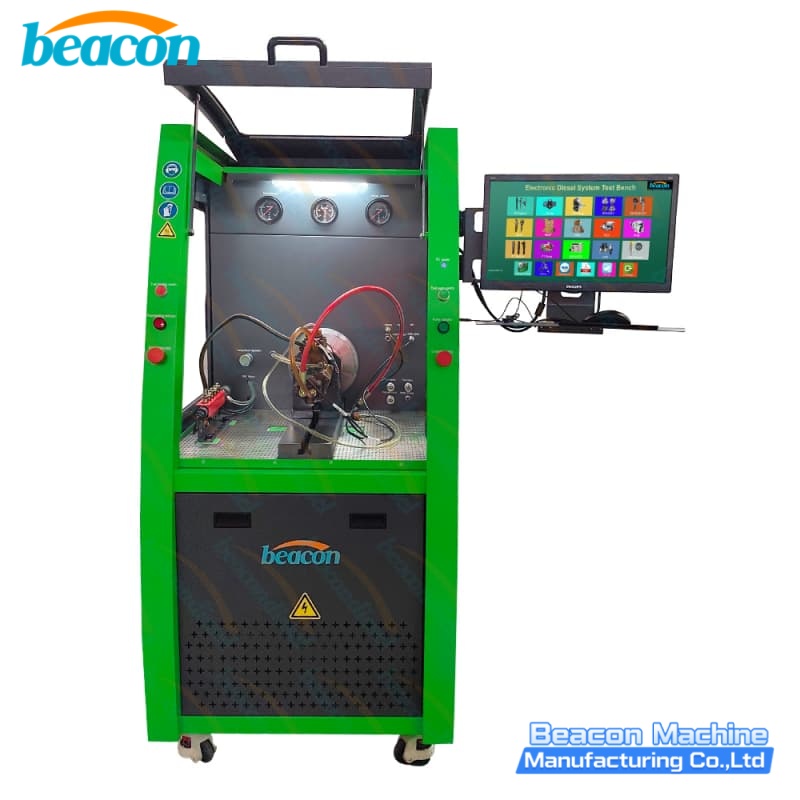
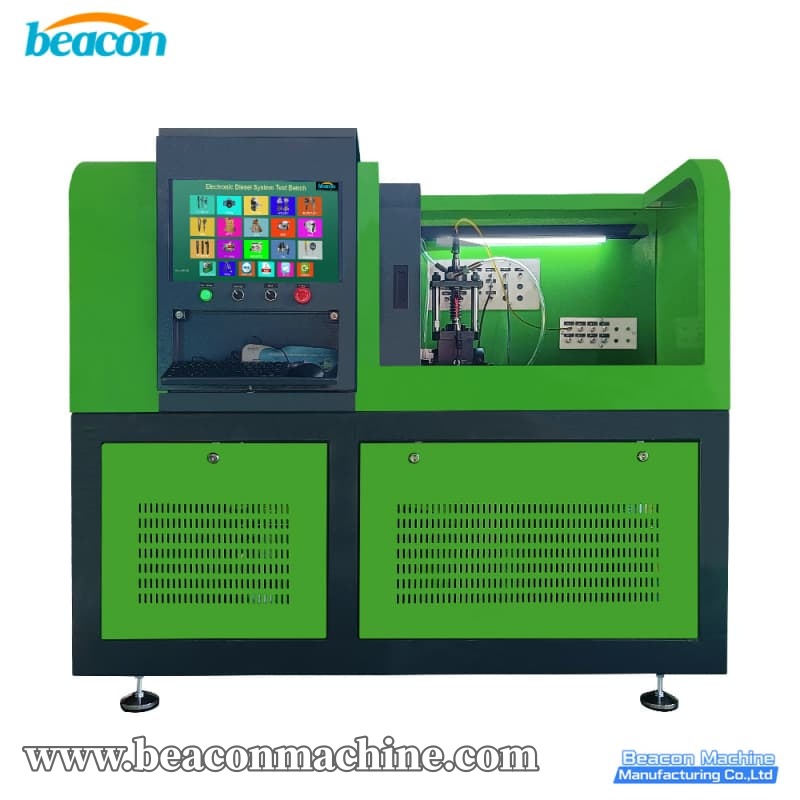
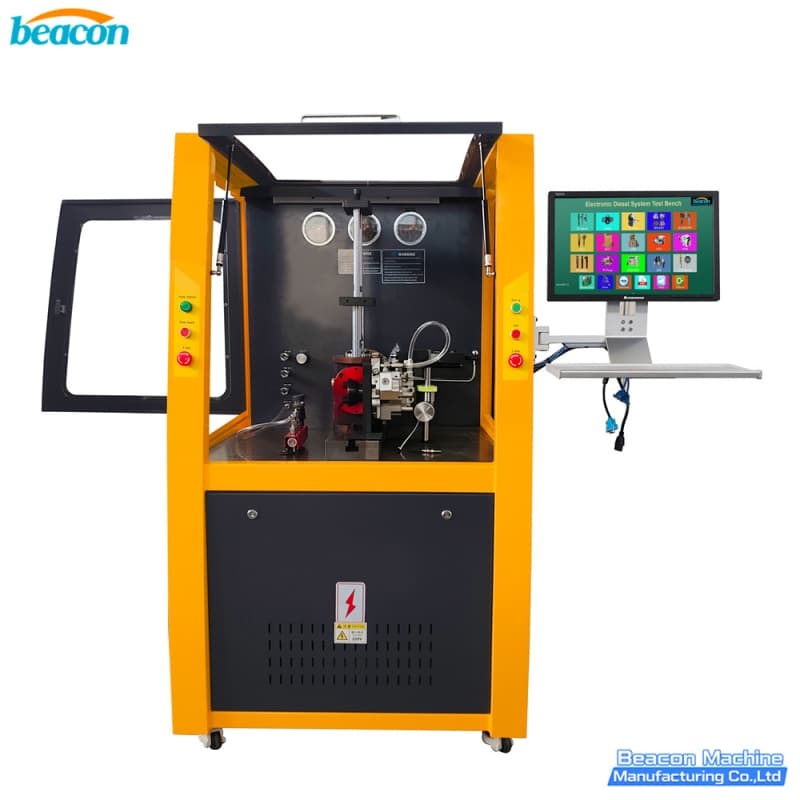
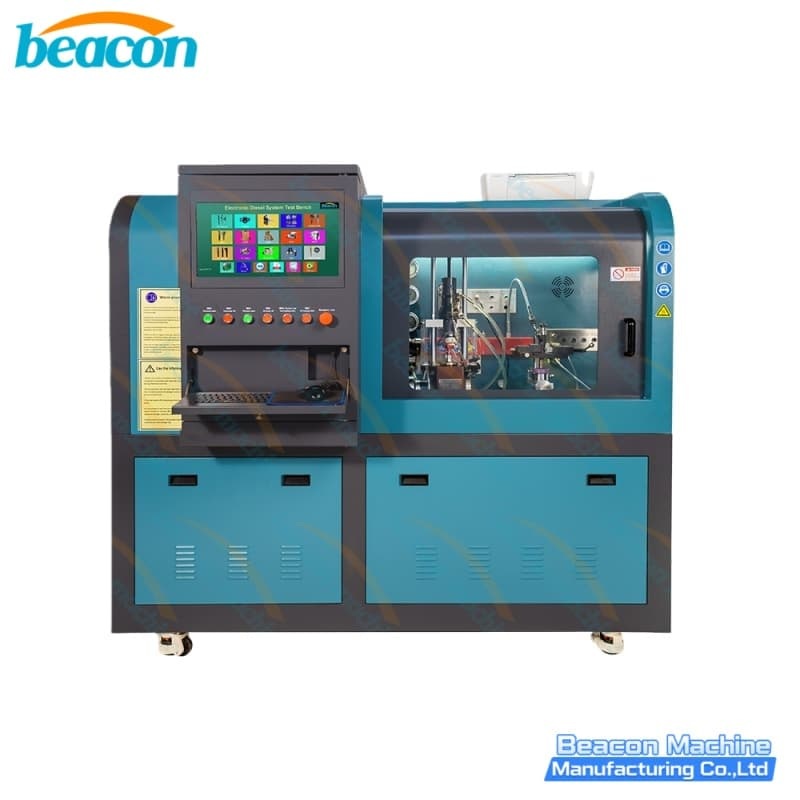
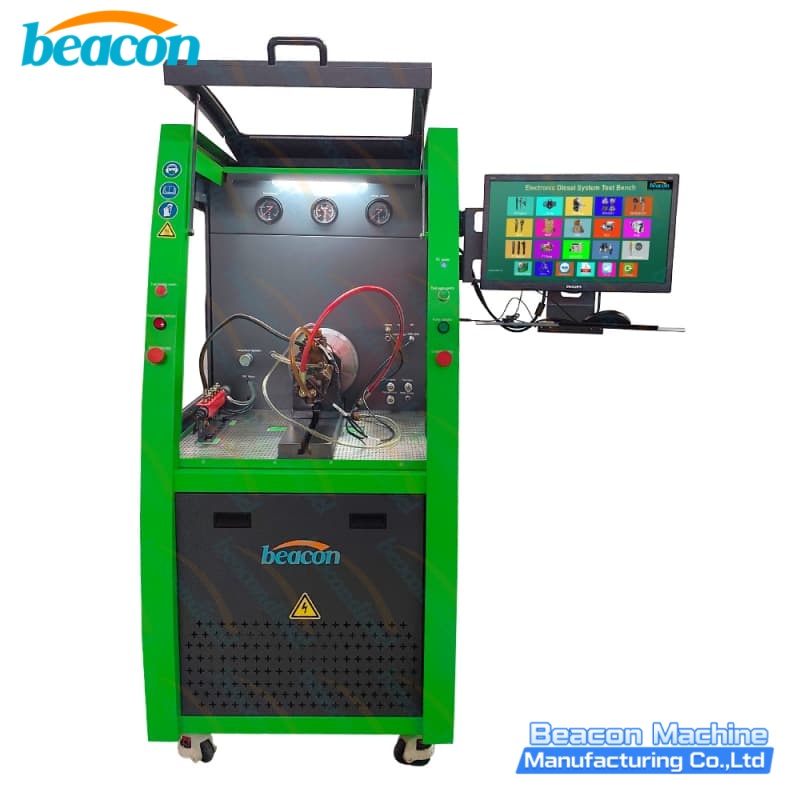
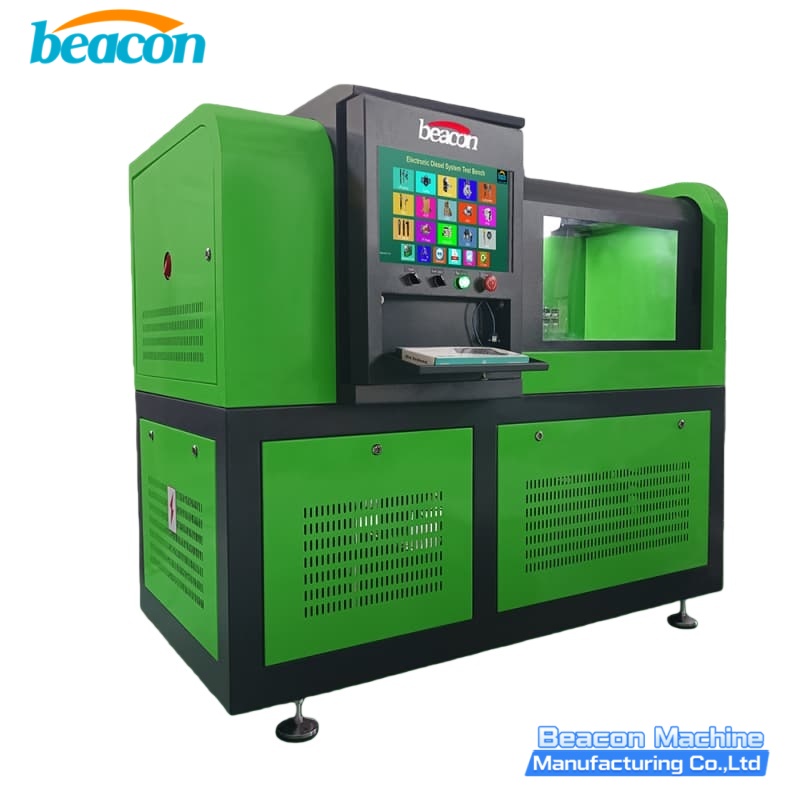
Once the pump is rebuilt, it must be validated. For modern diesel repair shops, we recommend integrating the Beacon CR1017 or CR819 Common Rail Test Benches into your workflow.
![CJ8GM@{BIBZEV~0_]{D~4X2.png](/Uploads/ueditor/image/20261015/6acfaa1383a6e.png "6acfaa1383a6e.png")
Caption: Beacon test bench software featuring a comprehensive database of CP4 pump test plans.
These test benches come pre-loaded with an extensive database (over 1000+ part numbers) specifically for Bosch CP4 pumps. They automatically control fuel temperature, rail pressure, and flow rates, providing a visual data report to confirm if the repaired pump meets factory specifications.
Step 3: Understanding CP4 Pump Types and Required Test Fixtures
Not all CP4 pumps are tested the same way. When setting up your CR1017 or CR819 test bench, you must identify which of the three CP4 variations you are working with.
[Insert Image 3 here: Three different CP4 pumps]
Caption: The three structural variations of BOSCH CP4 high-pressure pumps.
1. Self-Priming CP4 Pumps:
These pumps have a built-in gear pump that draws fuel from the tank.
Testing requirement: They do not require a low-pressure fuel supply from the test bench during testing.
2. Non-Self-Priming CP4 Pumps (No Cam Timing Check):
These rely on an electric lift pump in the vehicle to supply fuel.
Testing requirement: The test bench machine must be equipped with an additional low-pressure fuel supply motor and specific pump pipelines to feed the CP4. However, testing does not require checking the cam timing.
3. Non-Self-Priming CP4 Pumps (Requires Cam Timing Check):
Similar to the second type, these require external fuel pressure. However, they feature highly specific injection synchronization.
Testing requirement: The machine must supply the low-pressure fuel. Furthermore, the test strictly requires checking the cam timing to ensure the pump aligns perfectly with the engine's firing order.
Selecting the Right Test Fixtures
To accommodate these differences, Beacon Machine provides two distinct types of CP4 mounting fixtures:
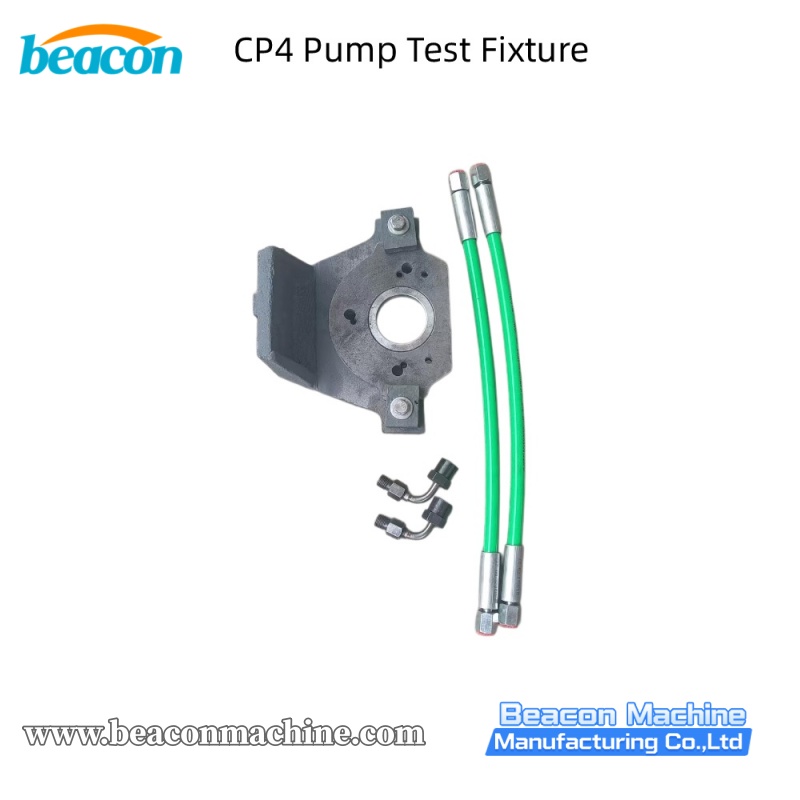
Caption: Type 1 - Standard CP4 Pump Test Fixture.
Type 1: Standard CP4 Fixture. Designed primarily for self-priming CP4 pumps and basic non-self-priming models that do not require complex synchronization. It ensures rigid, vibration-free mounting on your test bench.
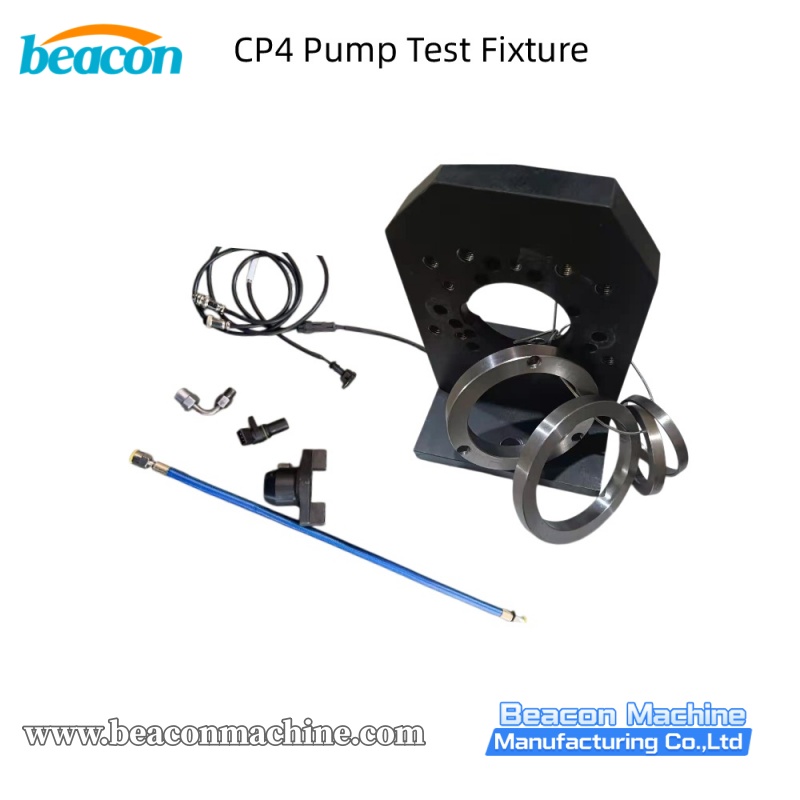
Caption: Type 2 - Specialized CP4 Fixture with CAM sensor bracket for timing tests.
Type 2: Dedicated Cam-Timing Fixture. This specialized fixture is mandatory for the 3rd type of CP4 pump mentioned above. It includes specific mounts for a CAM sensor. Because the test requires checking the cam timing, this fixture reads the precise rotational position of the pump shaft, feeding data back to the CR1017/CR819 bench to verify synchronization.
6. Application Scenarios & FAQ
Application Scenarios:
Diesel Injection Rebuild Centers: Upgrading testing capabilities to handle the massive influx of failing Ford 6.7L and GM 6.6L CP4 pumps.
General Automotive Repair Shops: Expanding in-house services by purchasing a CR1017 test bench and G4-29 tool kit instead of outsourcing pump repairs.
Fleet Maintenance Garages: Keeping logistics fleets (using VW/Audi or light-duty trucks) running smoothly by diagnosing CP4 fuel pressure issues quickly with dedicated test fixtures.
Frequently Asked Questions (FAQ)
Q1: Why do BOSCH CP4 pumps fail so frequently?
A: CP4 pumps are highly sensitive to fuel lubricity. In regions where ultra-low sulfur diesel (ULSD) is used, lack of lubrication can cause the internal cam rollers to skid instead of roll, creating metal shavings that contaminate the entire fuel system.
Q2: Can I test a CP4 pump that requires cam timing without the Type 2 fixture?
A: No. If the pump requires cam timing verification (Type 3), using a standard fixture will result in an incomplete test. You will not be able to guarantee that the pump is synchronized properly, which could lead to engine misfires or no-start conditions once reinstalled. You must use the dedicated fixture with the CAM sensor bracket.
Q3: Which test bench is better for my shop, CR1017 or CR819?
A: If you are an entry-level to mid-sized repair shop focusing purely on common rail injectors and pumps, the CR1017 is highly cost-effective and perfectly handles CP4 testing. If you are a large-scale rebuild center needing advanced functions (like testing HEUI, EUI/EUP, or full comprehensive diagnostics), the CR819 is the ultimate all-in-one solution. Both seamlessly integrate with our CP4 fixtures.
contact us
TEL: +86-13375386258
Whatsapp:+86-13375386258
Email: jasonzheng@beacon-machine.com
Address: High Tech Industry Zone of East Tai an city,Shandong Province,China