Language
  EN
EN RU
RU ES
ES DE
DE EL
EL IT
IT JA
JA KO
KO PT
PT ID
ID SR
SR UK
UK VI
VI TH
TH TR
TR MS
MS BE
BE AR
ARHP-B Hydraulic Pump Test Bench Testing Solution for Pumps and Motors
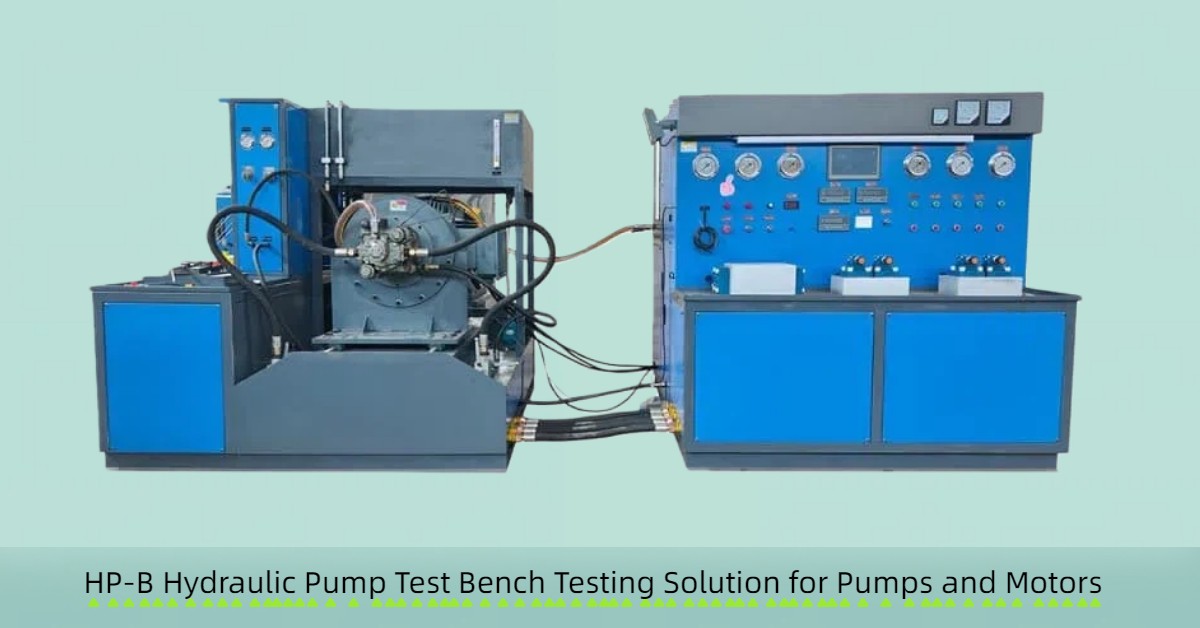
Master Your Maintenance: A Comprehensive Guide to the HP-B Hydraulic Pump Test Bench
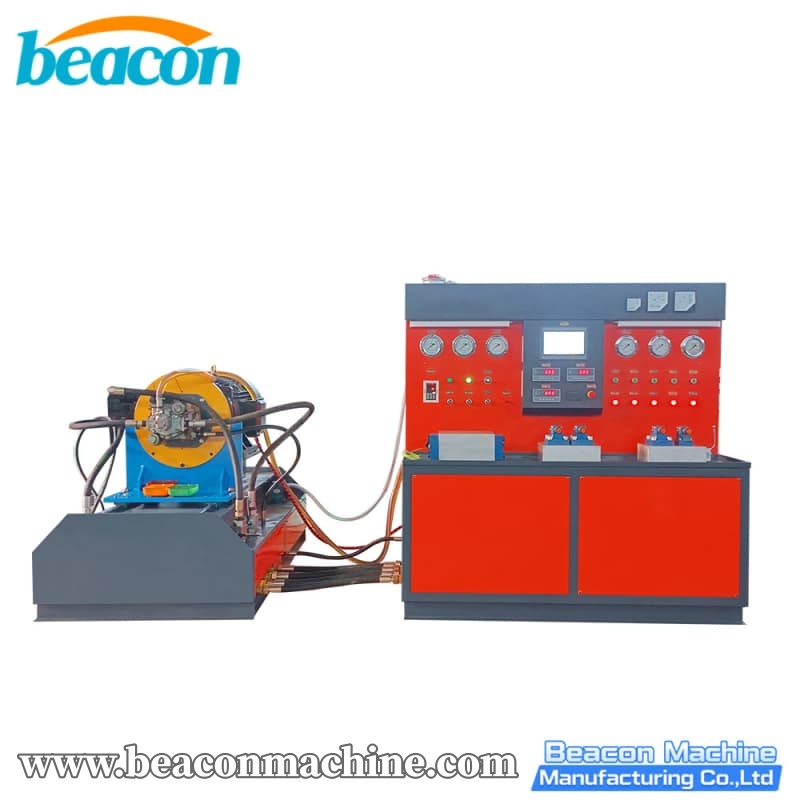
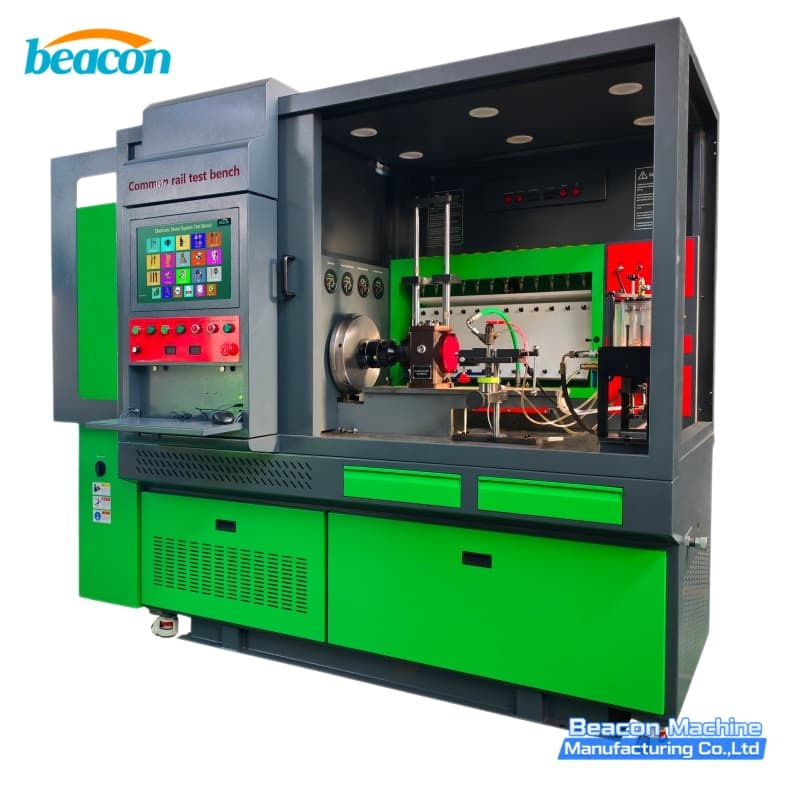
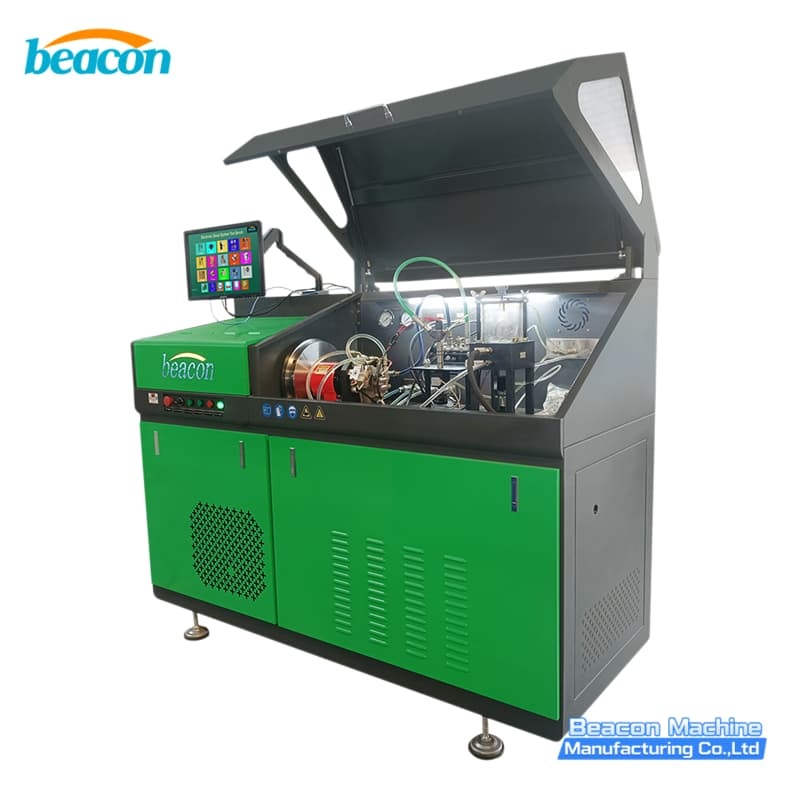
In the world of hydraulic maintenance and repair, precision is everything. Whether you are conducting factory inspections or verifying repairs on hydraulic pumps and motors, having reliable testing equipment is non-negotiable. Today, we are taking a deep dive into the HP-B Hydraulic Comprehensive Test Bench, a flagship solution designed by Beacon Machine Manufacturing Co., Ltd.
This guide will cover the purpose, structural features, technical parameters, and operational procedures of this powerful machine.
What is the HP-B Hydraulic Test Bench?
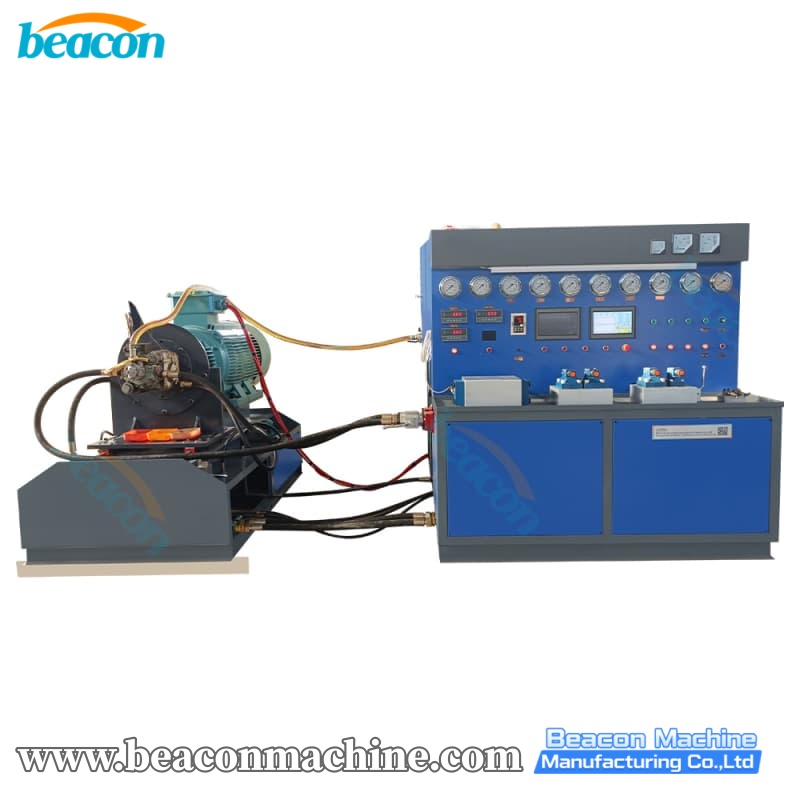
The HP-B is a professional-grade comprehensive test bench specifically engineered for the delivery inspection of hydraulic pumps, hydraulic motors, and valves after maintenance. It is designed to meet the general technical conditions for hydraulic systems (GB3766-88).
What sets the HP-B apart is its versatility. It uses high-quality domestic and international hydraulic components, ensuring a compact structure, reliable quality, and user-friendly operation. Notably, it features a closed oil tank structure, allowing it to function effectively even in dusty environments (though regular cleaning is still recommended to ensure heat dissipation).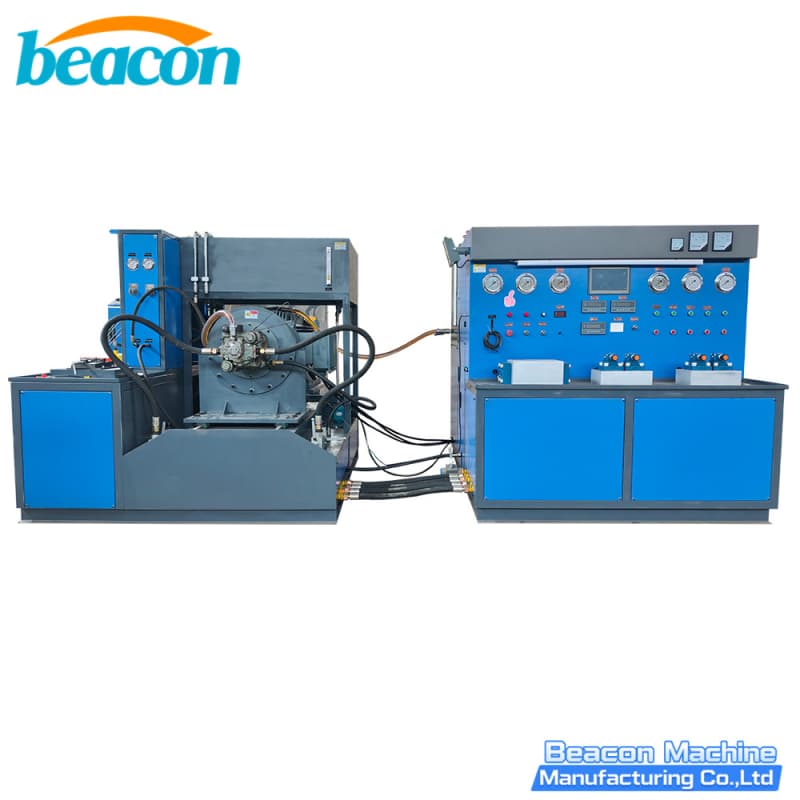
Key Structural Features
Motor Drive System: The entire test bench is driven by a powerful motor system, divided into the motor drive table and the main tank valve console.
Integrated Oil Circuit Block: This design minimizes leakage and makes disassembly and assembly significantly easier compared to traditional piping.
Computerized Operation: The system features a clear, friendly computer interface for monitoring and control.
Organized Layout: The output oil circuit is arranged neatly, simplifying the installation of pumps for testing.
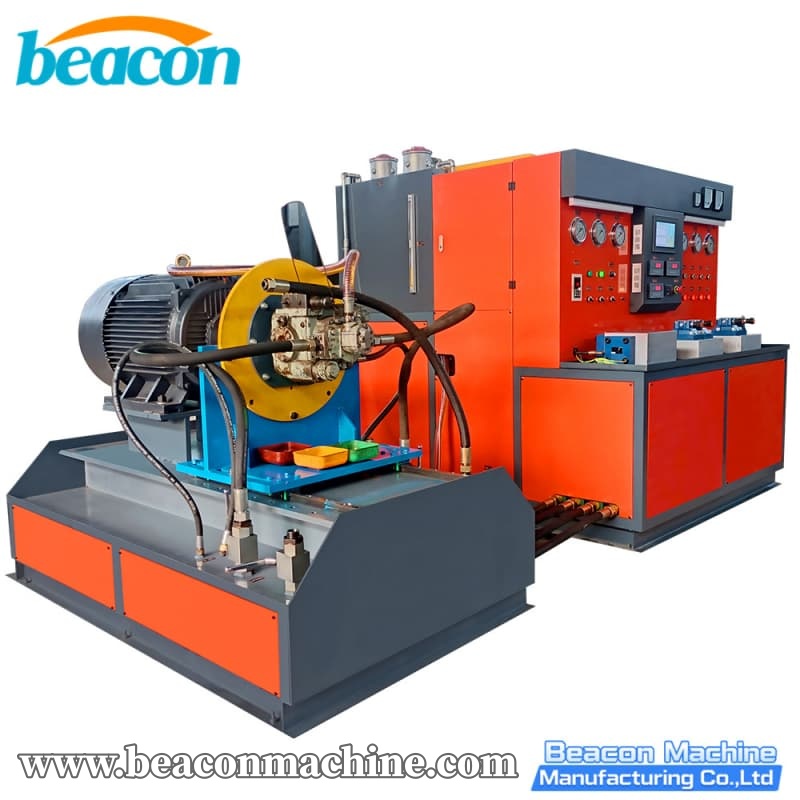
Main Technical Parameters
Before operating the machine, it is crucial to understand its capabilities:
Total Weight: 3700 KG
Dimensions: 3200 x 1800 x 2200 mm
Driving Power: 90 kW
Auxiliary Motor: 22 kW
Maximum System Pressure: 35 MPa (System limit: 30 MPa)
Maximum Flow: 500L + 380L
Speed Range: 0--1500 r/min (Frequency conversion)
Fuel Tank Volume: 1300L (Actual refueling approx. 1000L)
Oil Requirement: ISO VG46 Hydraulic Oil (Cleanliness level NAS10)
Installation and Commissioning
To ensure the longevity of the HP-B, proper installation is vital:
Inspection: Upon arrival, check for shipping damage and ensure all parts match the contract list.
Protection: Keep all exposed oil ports blocked until pipes are connected to prevent contamination.
Levelling: The machine must be firmly fixed to the foundation according to design drawings.
Wiring: Connect the electrical wiring strictly according to the hydraulic schematic and circuit diagrams.
First Run: Before the first start, unscrew the air filter cover and fill the tank using a filter truck (accuracy ≥ 20um). Ensure all adjustment knobs are turned to zero before jogging the motor to check rotation direction.
Operating Procedures
The HP-B is capable of testing both closed and open pump systems. Below is a summary of the standard operating procedures.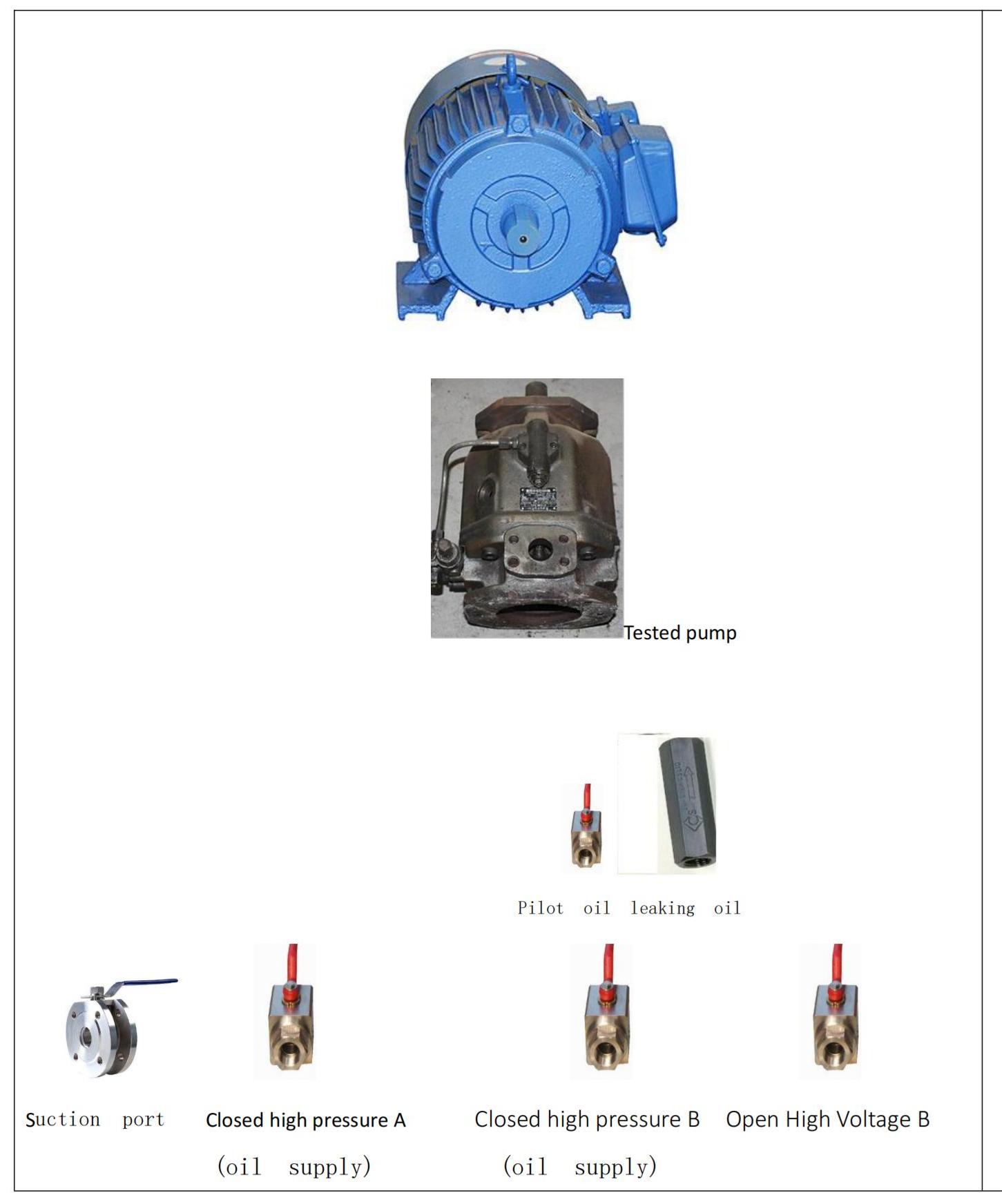
A. Preparation Stage
Turn on the control switch power and instrument switch.
Check the Electromagnetic Overflow Valve: Twist the impact switch to the left (Open/Closed). The red light should stay on.
Select the rotation direction (Left/Right) via the transfer switches matches the pump under test.
Ensure all loading, oil supply, and pilot knobs are at zero.
B. Test Operation: Closed Pump Test
Start the oil supply motor.
Adjust the low-pressure oil supply knob to achieve 1.5~2 MPa.
Start the main motor and adjust the speed to 800~1800 rpm.
Monitor the tachometer, flow meter, and pressure gauges. Ensure the oil supply pressure stays above 1.5 MPa.
Apply Load: Slowly adjust the Loading Pressure Control Knob to test the pump under load. Keep the rotating speed constant during pressurization.
End of Test: Return loading valves to zero, reduce speed to zero, stop the main motor, and finally stop the oil supply motor.
C. Test Operation: Open Pump Test (Self-Priming)
Similar preparation as above, ensuring the impact switch is set correctly.
Open the ball valve connecting the pipe.
Connect the high-pressure port of the pump to the open port (A or B) on the table.
Connect the tested pump shell oil port to the drain port.
Open the stop valve at the oil suction port.
Proceed with the test, monitoring flow and pressure.
Maintenance and Safety
To maximize the service life of your HP-B Test Bench:
Oil Changes: Replace hydraulic oil every other year. Clean the tank and replace the filter element during every oil change.
Filter Monitoring: If the "Oil Suction/Return Filter Blocked" indicator light turns red during use, replace the filter element immediately.
Daily Checks: Always check liquid levels and ensure no pipe joints or screws are loose before operation.
Cooling: Ensure the hydraulic system remains free of dust to maintain good heat dissipation.
Conclusion
The HP-B Hydraulic Comprehensive Test Bench is a robust solution for any facility handling hydraulic repairs. By following the installation, operation, and maintenance protocols outlined above, you ensure safe operation and accurate test results for years to come.
For more information on the HP-B or to order spare parts, please contact Beacon Machine Manufacturing Co., Ltd.

contact us
TEL: +86-13375386258
Whatsapp:+86-13375386258
Email: jasonzheng@beacon-machine.com
Address: High Tech Industry Zone of East Tai an city,Shandong Province,China