Language
  EN
EN RU
RU ES
ES DE
DE EL
EL IT
IT JA
JA KO
KO PT
PT ID
ID SR
SR UK
UK VI
VI TH
TH TR
TR MS
MS BE
BE AR
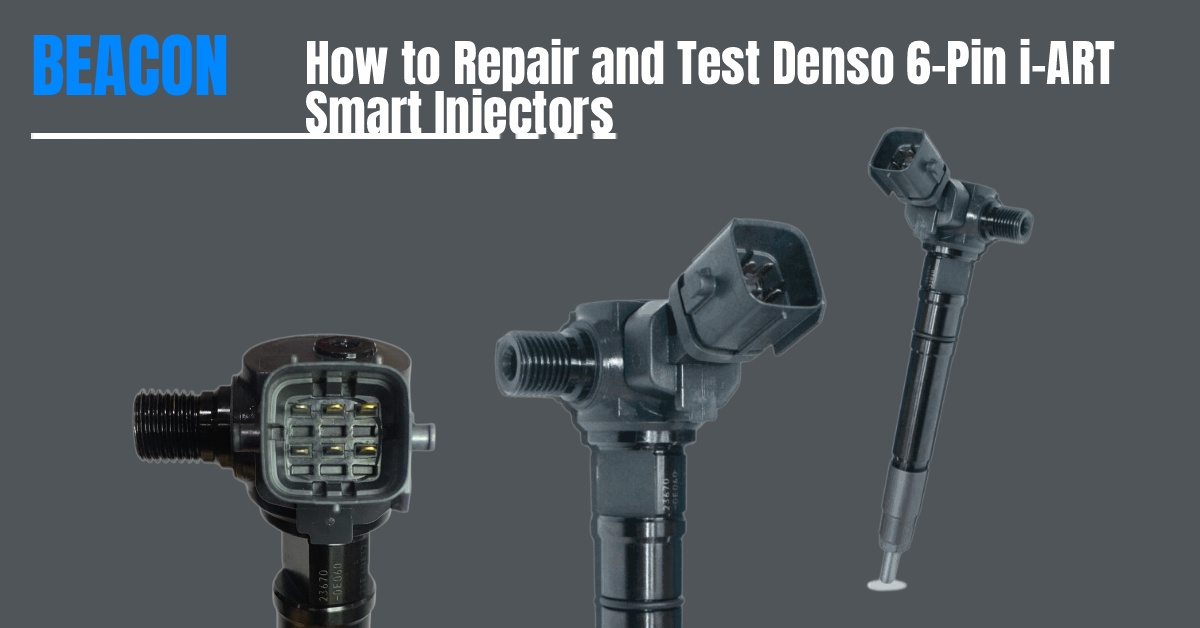
ARHow to Repair and Test Denso 6-Pin i-ART Smart Injectors
How to Repair and Test Denso 6-Pin i-ART Smart Injectors
As global emission standards tighten, diesel engine technology has evolved rapidly. One of the most significant breakthroughs is Denso's i-ART (Intelligent Accuracy Refinement Technology). Unlike traditional injectors, these 6-pin smart injectors offer unprecedented precision. However, for diesel repair shops, diagnosing and rebuilding them requires upgraded knowledge and a highly specialized suite of equipment.
In this technical guide, we will break down the i-ART working principles, detail common part numbers, and show you exactly how to test and rebuild them using the industry-leading EPS290 Common Rail Test Bench, the portable i-ART Tester, the G4 Measurement Tool Kit, and precision G4 calibration shims.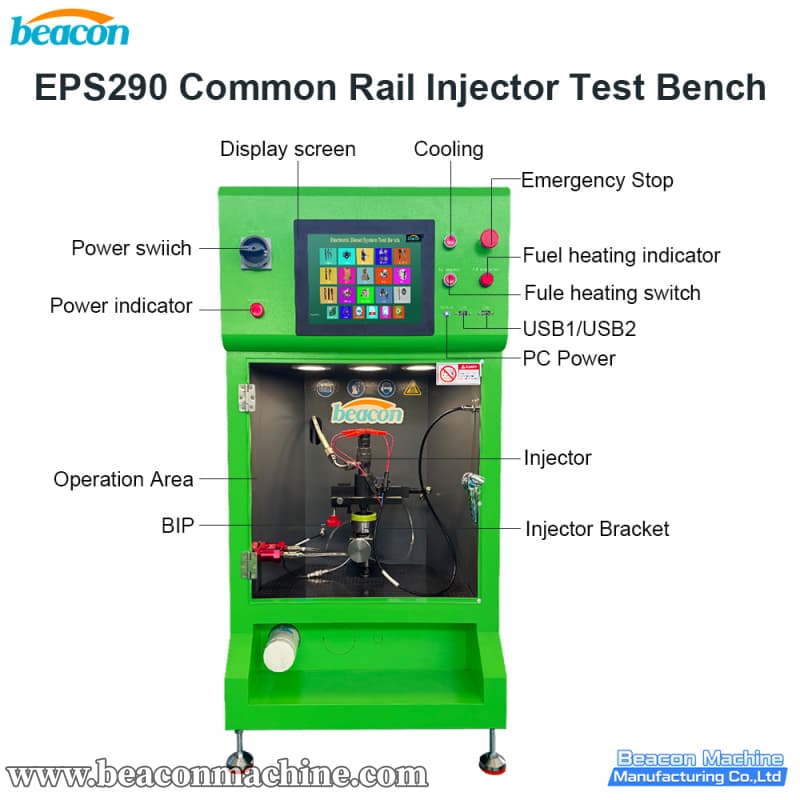
1. Working Principle of the i-ART Injector
Traditional common rail systems rely on the Engine Control Unit (ECU) to calculate fuel delivery based on engine speed fluctuations. According to authoritative engineering resources like Denso Global Technical Publications and DieselNet, the i-ART system utilizes a closed-loop control system.
Every Denso i-ART 6-pin injector features a built-in fuel pressure sensor and temperature sensor.
Real-Time Data: The integrated sensors measure fuel pressure and temperature directly at the injector nozzle.
Microsecond Adjustments: Data is sent back to the ECU instantly, allowing fuel injection volume and timing to be adjusted to an accuracy of 1/100,000th of a second.
The 6-Pin Layout: Two pins drive the solenoid actuator, while the other four pins power and transmit data for the internal pressure and temperature sensors.
2. Common Vehicles, Engines, and i-ART Injector Part Numbers
i-ART injectors are widely adopted in top-tier diesel engines, particularly by Toyota and Volvo. For repair shops, these are highly profitable components to remanufacture. Below is a detailed reference table:
| Vehicle Make & Model | Engine Code | Engine Capacity | Denso / OEM Injector Part Number |
| Toyota Hilux / Prado | 1KD-FTV | 3.0L Diesel | 295900-0270 / 23670-30270 |
| Toyota Hilux Revo | 2GD-FTV | 2.4L Diesel | 23670-09500 / 295900-0430 |
| Toyota Innova / Fortuner | 1GD-FTV | 2.8L Diesel | 23670-0E010 / 23670-0E020 |
| Volvo XC60 / S60 / V40 | D4 / Drive-E | 2.0L Diesel | 31336720 / 31336728 |
| GM / Chevrolet | Duramax | 2.8L Diesel | 295700-0140 / 12678992 |
3. How to Test i-ART Injectors: The EPS290 Common Rail Test Bench
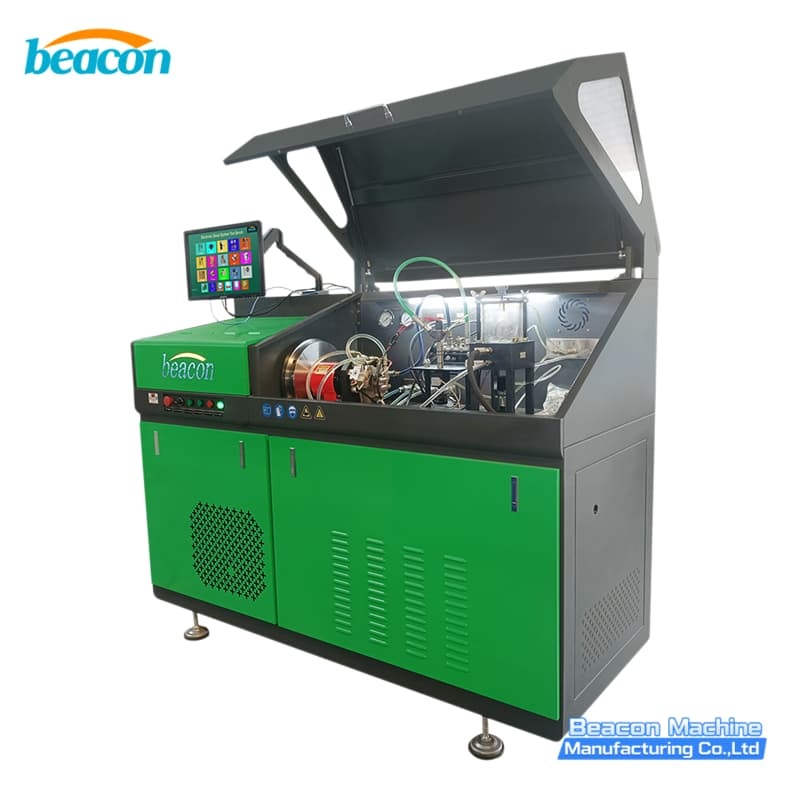
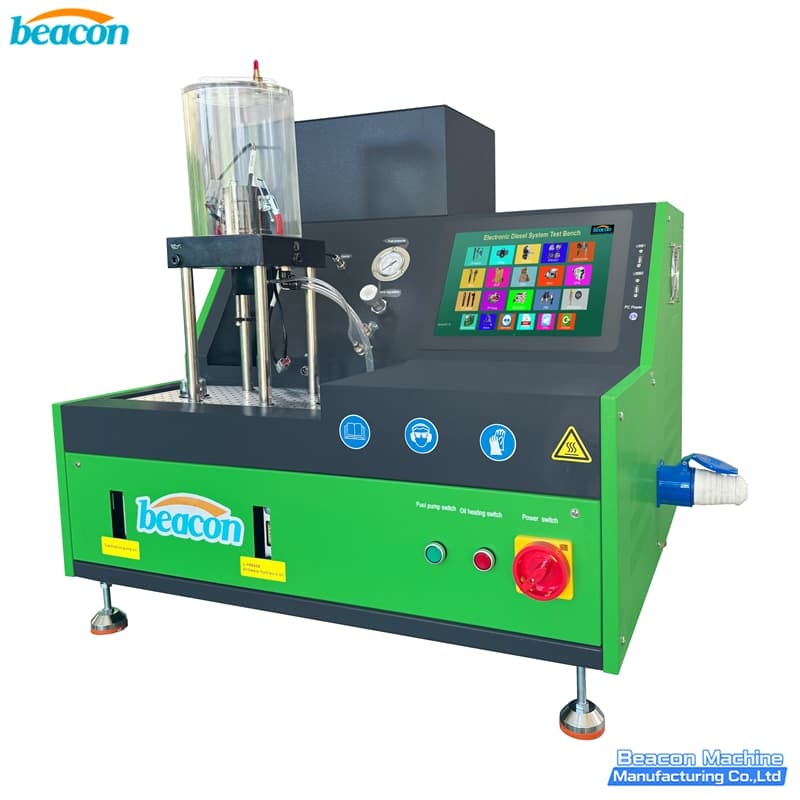
To accurately diagnose a smart injector, your workshop needs a test bench capable of simulating harsh engine conditions while capturing exact fuel flow data. We highly recommend the EPS290 Common Rail Injector Test Bench for this task.
Why the EPS290 is the perfect solution for repair shops:
0-200MPa Working Pressure: The EPS290 easily reaches the extreme 2000 bar (200MPa) rail pressures required to properly test Denso i-ART systems.
High-Precision Flow Meter: Equipped with a state-of-the-art flow meter, the EPS290 accurately measures pilot, main, and post-injection flow rates.
Comprehensive Coding: Beyond testing, the EPS290 supports injector coding for Delphi, Bosch, Denso, and Siemens.
4. Reading the Smart Sensors: Using the i-ART Tester
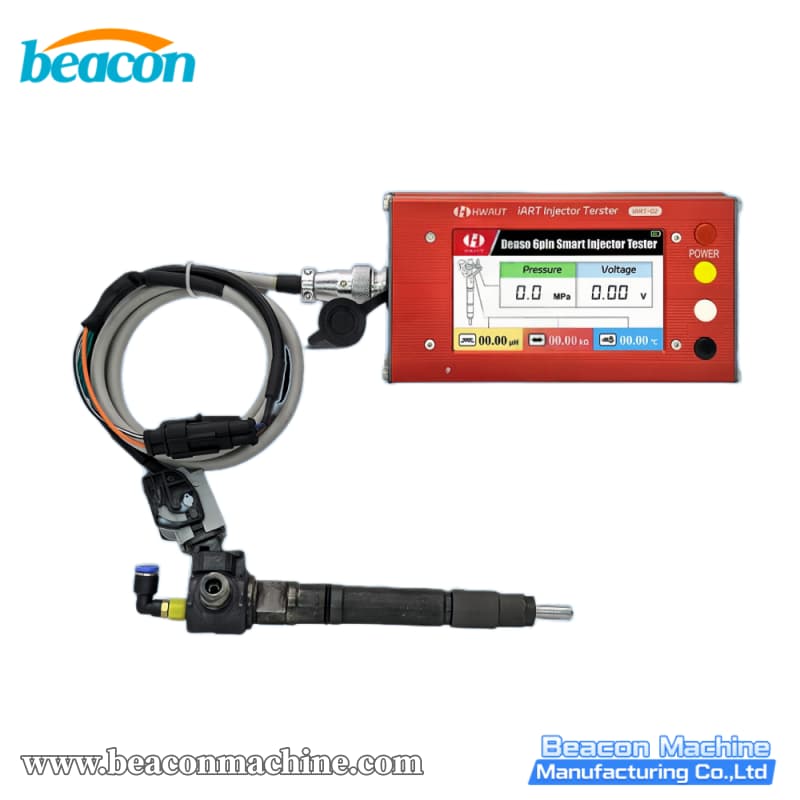
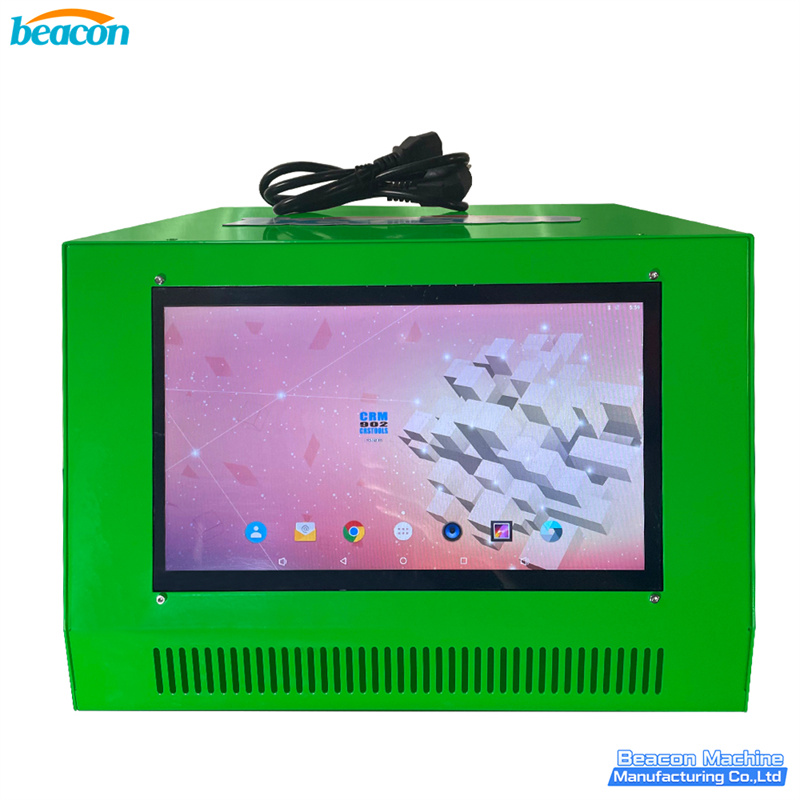
While the EPS290 provides mechanical hydraulic testing, you must also verify the health of the built-in micro-sensors. To do this effortlessly, repair shops must integrate an i-ART Injector Tester (e.g., HWAUT iART-02).
Key functions of the i-ART Tester:
6-Pin Connectivity: Plugs directly into the Denso 6-pin terminal.
Comprehensive Sensor Reading: Instantly displays Pressure Measurement, Voltage, Inductance (1uH~20mH), Resistance (0-1MΩ), and Temperature Measurement.
Diagnostics: If the EPS290 test bench is pumping 150MPa but the i-ART tester screen shows 100MPa, you instantly know the injector's internal sensor is faulty.
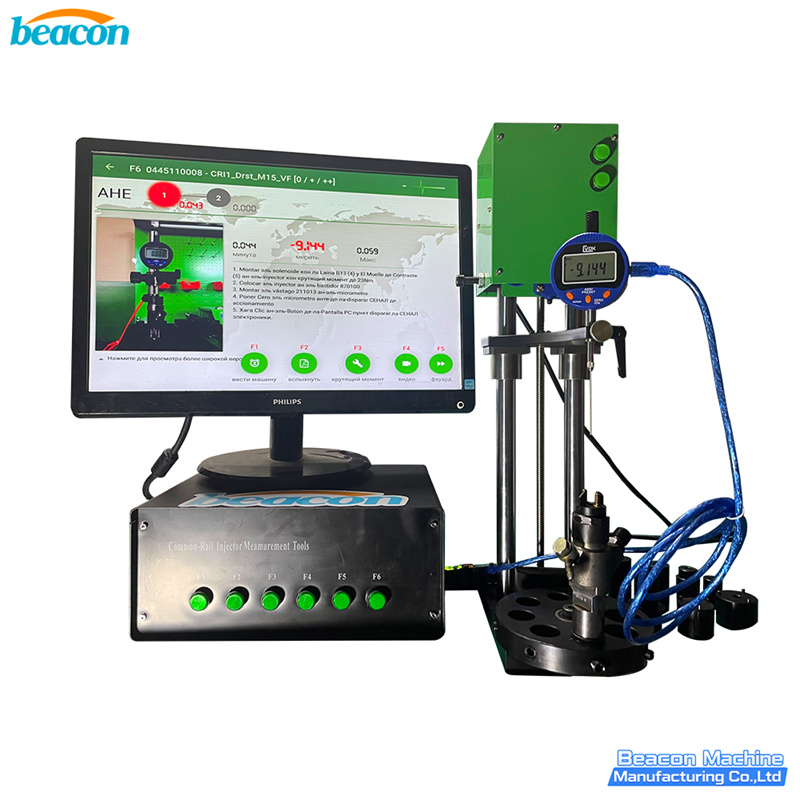
5. Precision Measurement: The Denso G4 Injector Measurement Tool Kit
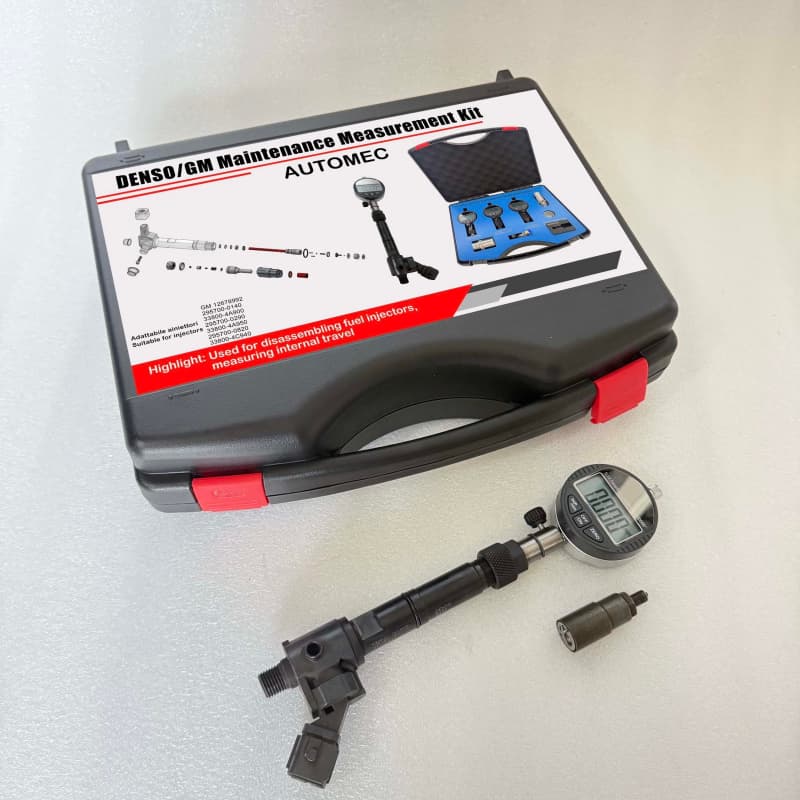
If the injector fails the bench test, it must be disassembled and rebuilt. However, you cannot simply guess which replacement parts to use. Because i-ART / G4 injectors operate on micron-level tolerances, you must precisely measure the internal clearances using the Denso G4 Full-Featured Measurement Solution Kit.
This specialized tool kit comes equipped with custom fixtures and high-precision digital dial indicators designed specifically for Denso GM/G4 series injectors.
With this tool, mechanics can accurately test:
AH Armature Stroke : Determines how far the armature valve opens, directly affecting response time.
UEH Over-Stroke / Total Stroke : Measures the total dynamic travel distance, ensuring proper fuel return and pressure release.
Solenoid Spring Travel / Spring Force : Measures the spring compression distance to guarantee optimal electromagnetic efficiency and closing speed.
6. Rebuilding the Injector: Essential G4 Repair Shims
Once you have recorded the exact dynamic strokes using the G4 Measurement Tool, you can now select the correct replacement parts to restore the injector to OEM specifications.
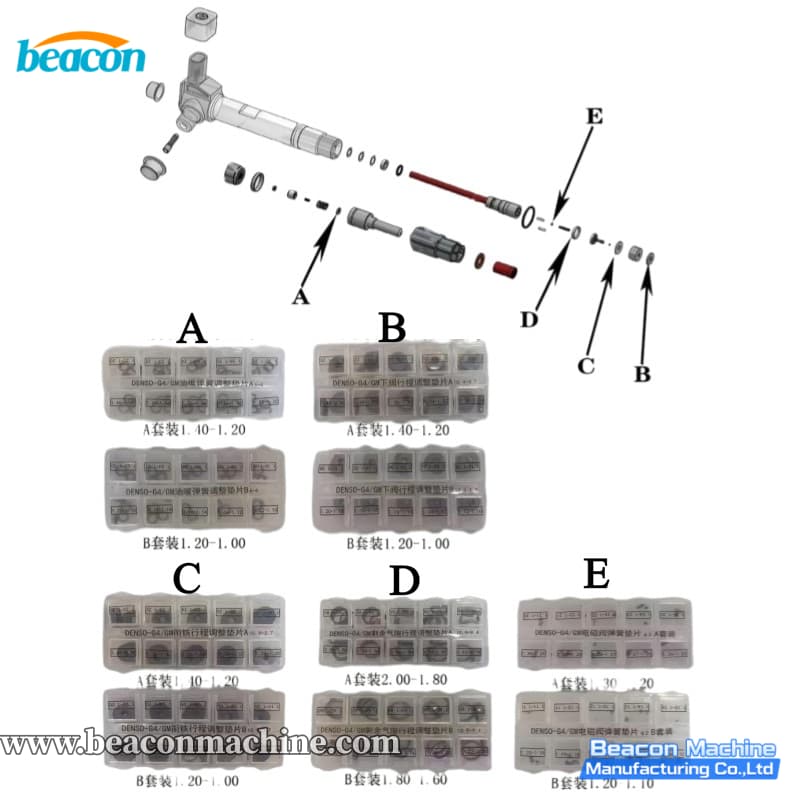
You must use High-Precision DENSO-G4 / GM Repair Shim Kits. Standard shims will not work. Our professional G4 shim kits allow you to adjust the critical clearances you just measured:
A: Nozzle Spring Shims (Adjusts nozzle opening pressure)
B: Lower Valve Stroke Shims (Controls fuel return and injection volume)
Armature Stroke Shims (Corrects the AH measurements)
Residual Air Gap & Solenoid Spring Shims (Corrects the Spring Travel measurements)
By combining the diagnostic power of the EPS290 Test Bench and i-ART Tester, the micron-accuracy of the G4 Measurement Tool, and the precise calibration of the G4 Shims, your workshop can achieve a 100% success rate in remanufacturing Denso 6-pin smart injectors.
Technical References: Denso Global Official Technologies; DieselNet Emissions & Fuel Systems.
6. Application Scenarios & FAQ
Application Scenarios
Diesel Remanufacturing Centers: High-volume rebuilding of Toyota 1GD/2GD and GM injectors. Technicians use the G4 measurement tools and shim kits for precision assembly, and the EPS290 for final quality control and coding.
Independent Repair Shops: Diagnosing engine knocking or check-engine lights (CEL) on modern diesel trucks. Mechanics use the portable i-ART Tester to quickly rule out electrical sensor failures without tearing down the engine.
Diesel Equipment Upgrades: Workshops looking to modernize their bays can invest in the EPS290 to transition from testing older mechanical injectors to modern piezo and i-ART smart injectors.
FAQ (Frequently Asked Questions)
Q1: How do I know which thickness of G4 shim to use during a rebuild?
A1: You must use the Denso G4 Injector Measurement Tool Kit. By reading the digital dial indicators for the AH armature stroke and UEH total stroke, you can calculate the exact deviation from OEM specs and select the correspondingly sized G4 shim to correct the clearance.
Q2: Can I test a Denso 6-pin i-ART injector on my old standard test bench?
A2: No. Older benches cannot read the internal pressure and temperature sensors. You need to either upgrade to a modern bench like the EPS290 or pair your existing hydraulic bench with an external i-ART Tester to read the 6-pin data.
Q3: What happens if I rebuild the injector without measuring the spring travel or armature stroke?
A3: The i-ART system reacts in microseconds. If you do not measure and correct the stroke (even a 0.002mm error), the mechanical delay will be detected by the internal sensor. The ECU will immediately trigger a fault code, leading to engine knock, rough idling, or DPF clogging. Proper measurement tools are non-negotiable.
contact us
TEL: +86-13375386258
Whatsapp:+86-13375386258
Email: jasonzheng@beacon-machine.com
Address: High Tech Industry Zone of East Tai an city,Shandong Province,China