Language
  EN
EN RU
RU ES
ES DE
DE EL
EL IT
IT JA
JA KO
KO PT
PT ID
ID SR
SR UK
UK VI
VI TH
TH TR
TR MS
MS BE
BE AR
AR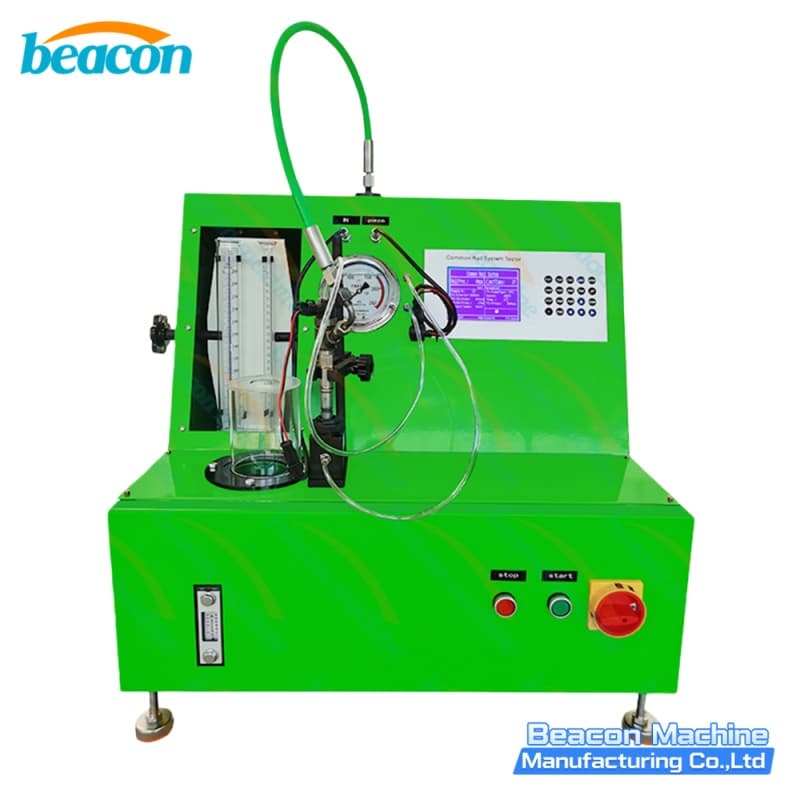
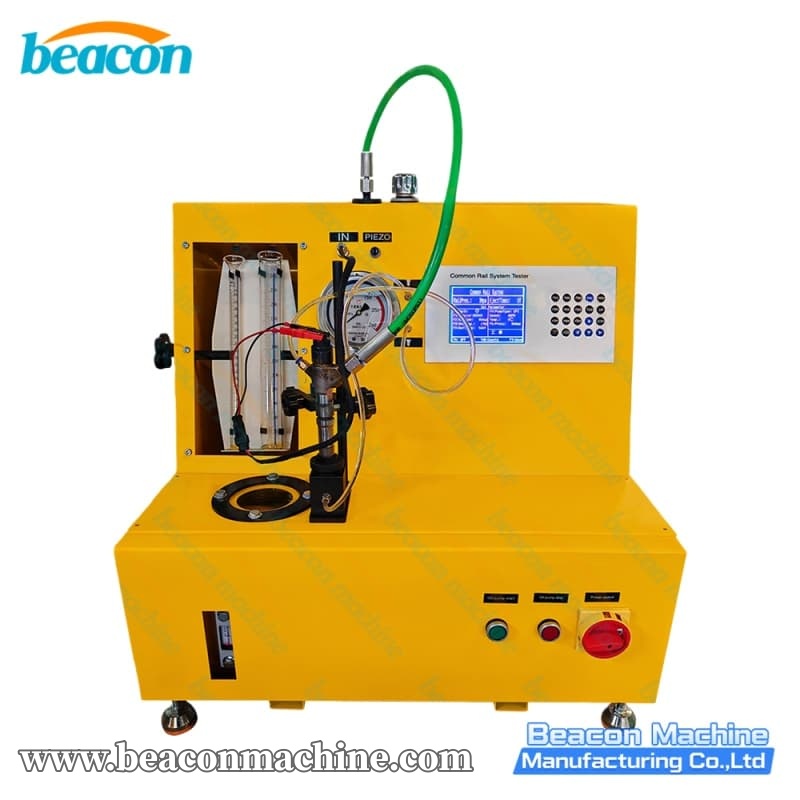
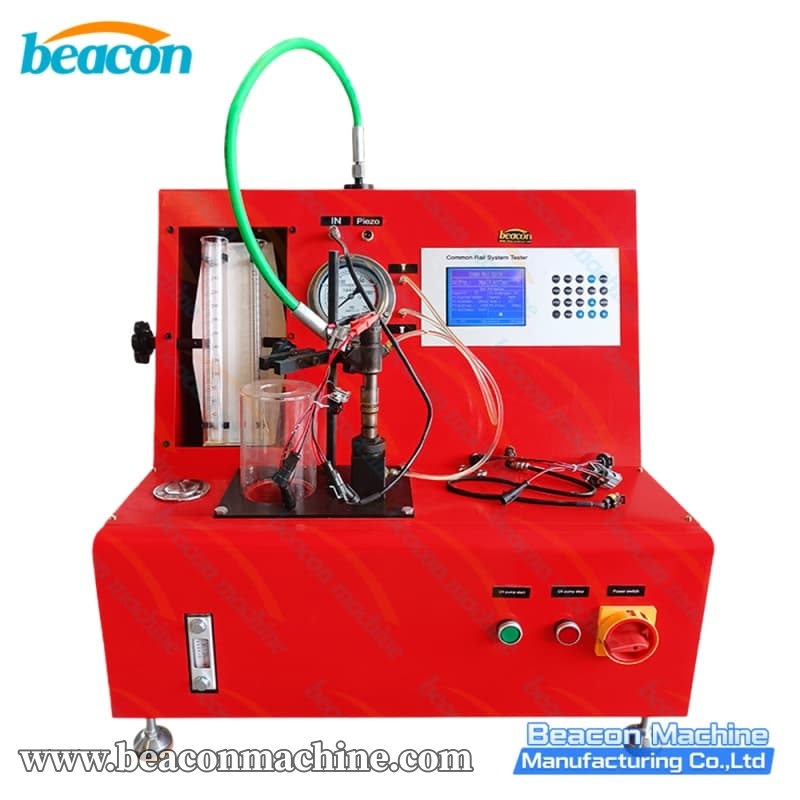
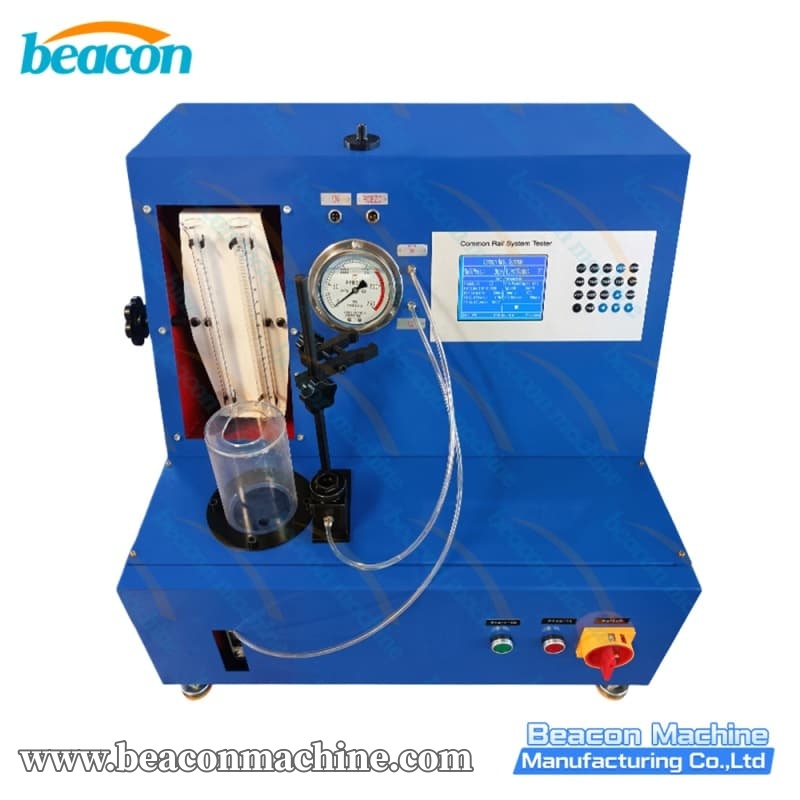
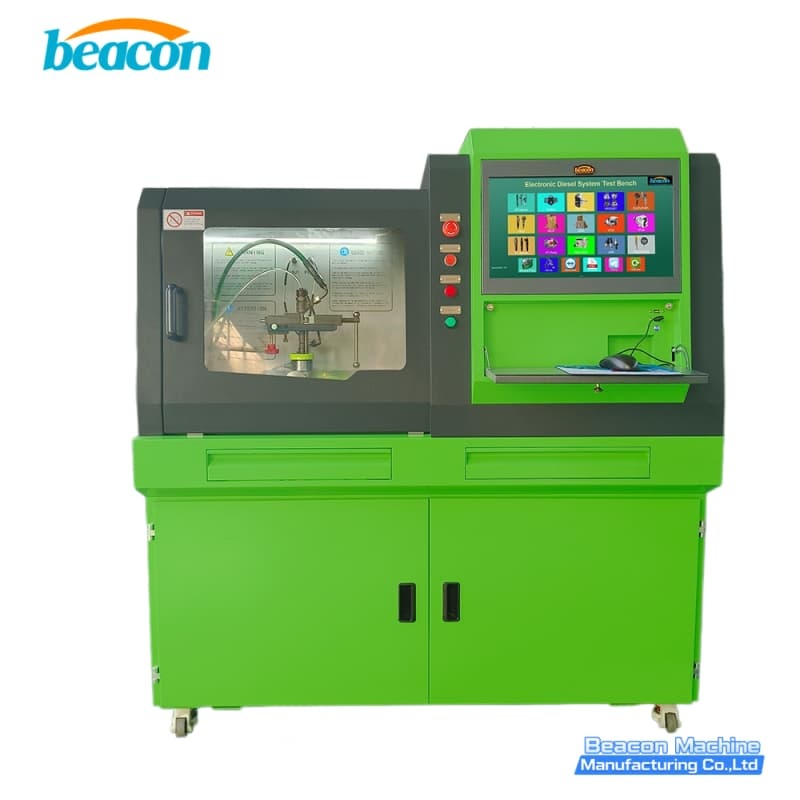
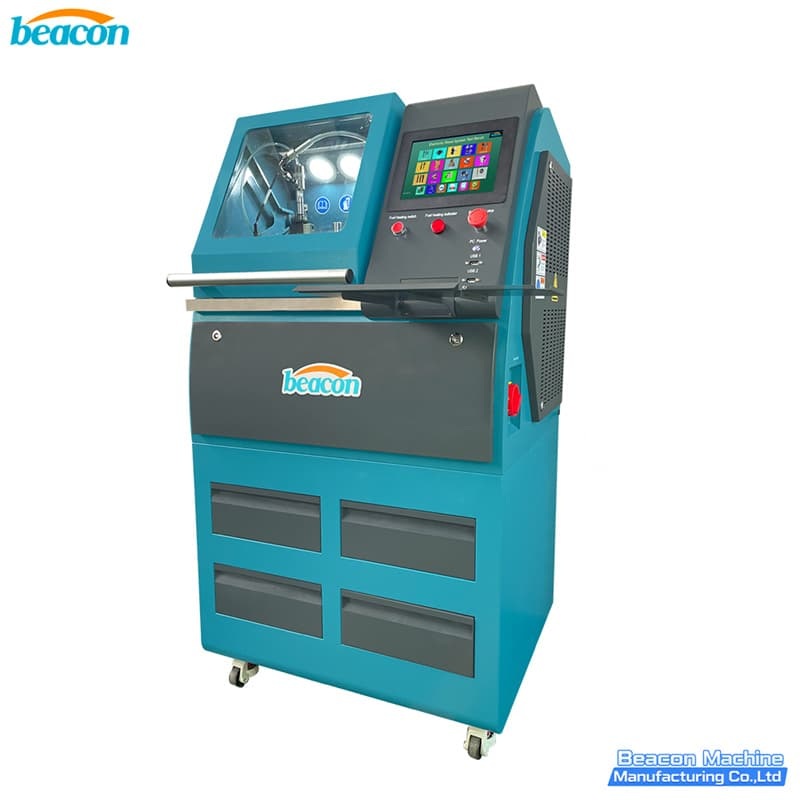
EPS100S Glass Tube Display Common Rail Injector Tester
Click the WhatsApp button to chat, or leave a message, and we will contact you within 12 hours.
Details
The EPS100S is an entry-level, highly accurate common rail injector test bench designed for workshops focusing on basic diagnostics. Unlike computerized models, this unit uses a traditional graduated glass tube (measuring cylinder) to display fuel flow, ensuring visual reliability.
Motor: 2.0KW Servo Motor.
Control: Digital control without PC/Printing capabilities.
Application: Tests standard Common Rail injectors.
Voltage: 220V Single Phase.
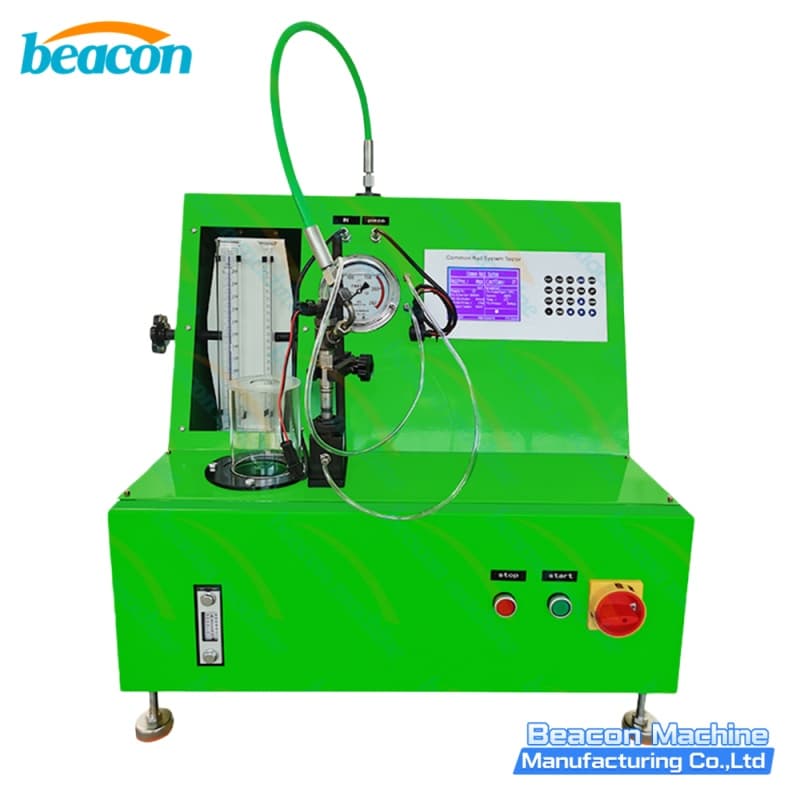
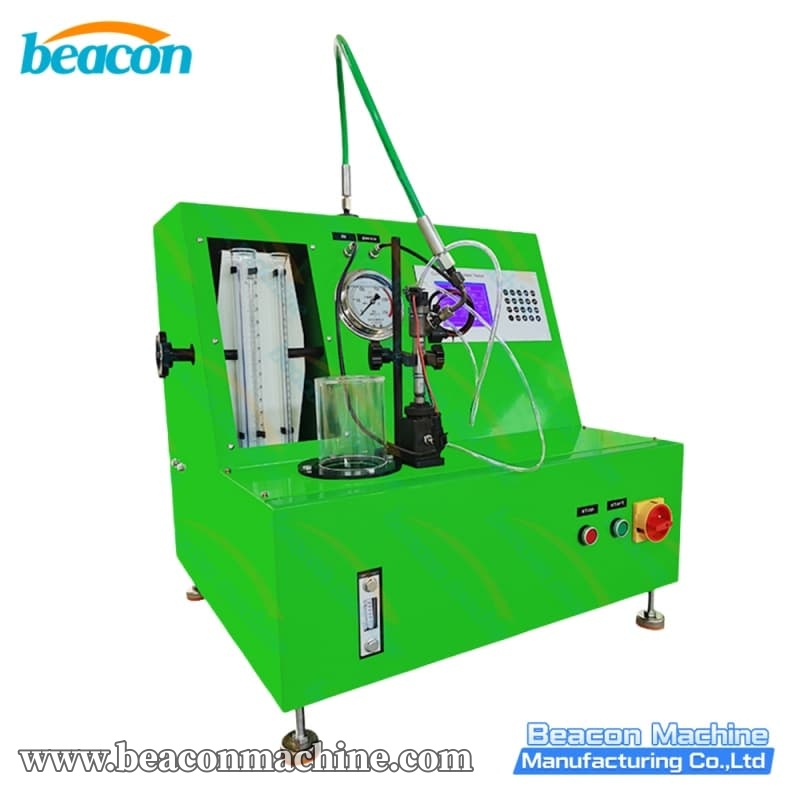
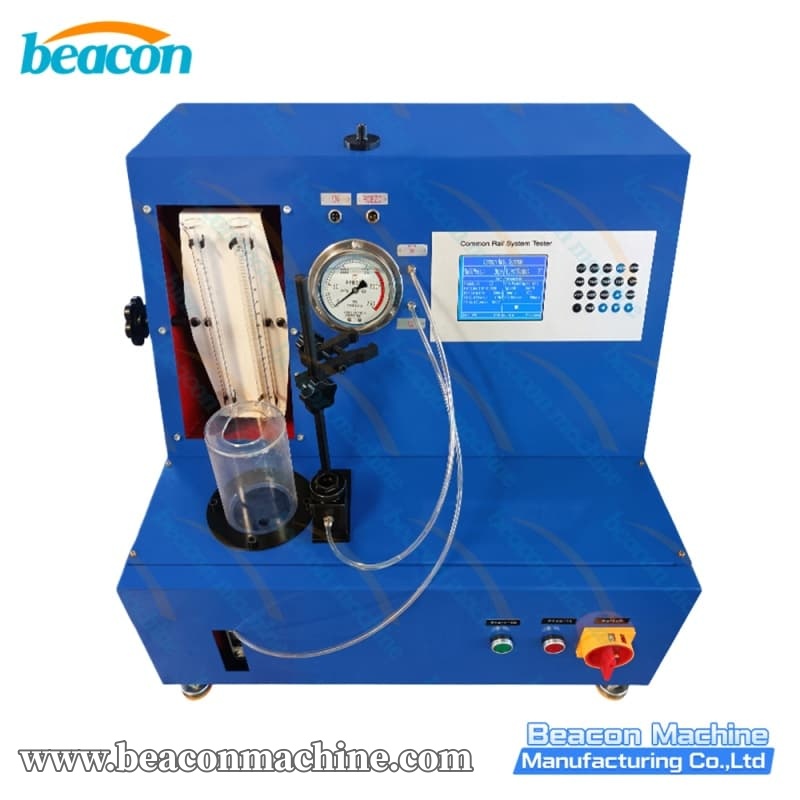
EPS100S Glass Tube Display Common Rail Injector Tester Advantage
Cost-Effective: Ideal for starters or workshops needing a secondary machine.
Visual Accuracy: Traditional glass tube measurement eliminates sensor calibration errors.
Compact Design: Small footprint, easy to move and install.
Servo Driven: Equipped with a precise 2.0KW servo motor for stable speed control.
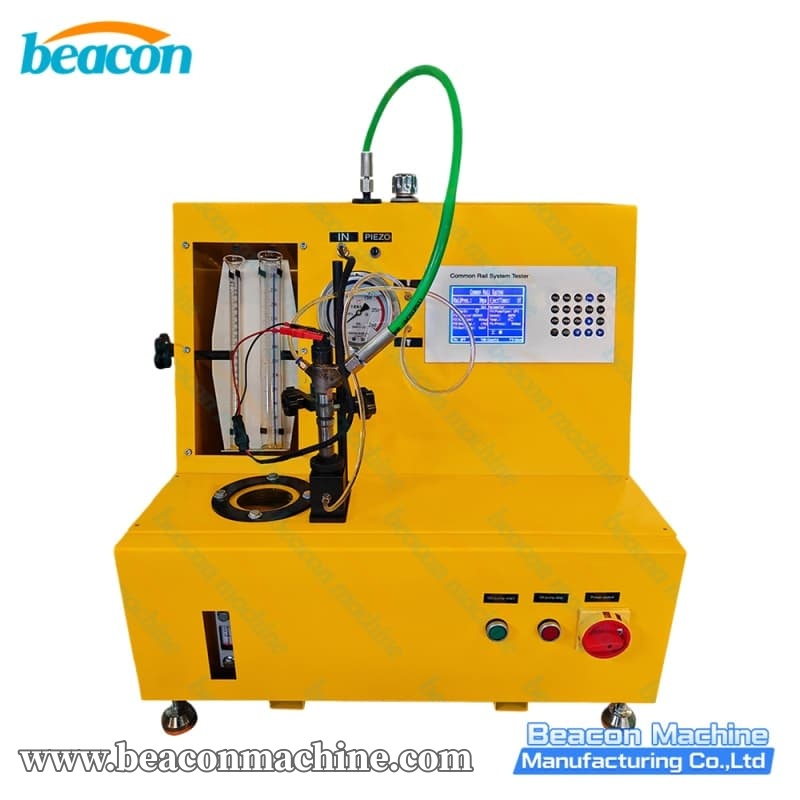
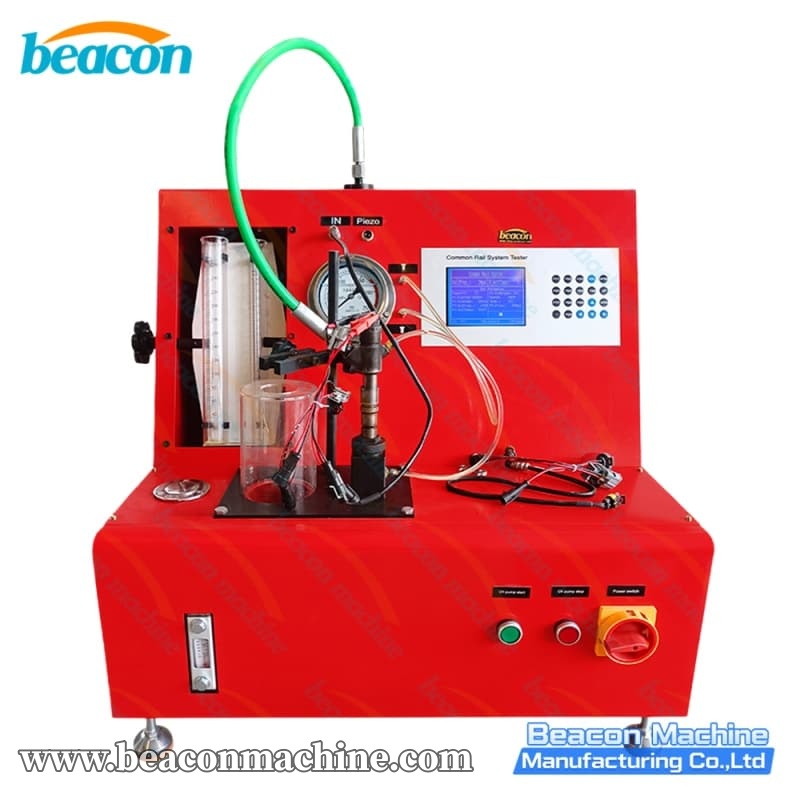
parameter
| Model | EPS100S |
| Power | 2.0KW Servo Motor |
| Voltage | 220V Single Phase |
| Testing Type | Common Rail Injectors |
| Display Method | Glass Tube / Measuring Cylinder |
| Coding Function | No |
| Computer/Printer | No |
| Color Options | Green, Red, Black, Blue, Grey, Yellow |
| Net Weight | 100 kg |
| Dimensions (L | 780 x 670 x 750 mm |
Application Scenarios & FAQ:
Application Scenario:
Ideal for small mechanical workshops, diesel training schools, or pump repair shops that need a secondary machine for quick leak detection and spray pattern verification without the need for electronic reports or coding.FAQ:
A: No. The EPS100S is a mechanical-style tester. It does not have a computer or coding software. For coding functions (Bosch/Denso/Delphi/Siemens), please check our EPS205 model.
Q: Can the EPS100S generate injector QR codes?
Q: What is the main difference between EPS100S and EPS205?
A: Technology & Function: EPS100S uses a glass tube (measuring cylinder) for visual flow reading and has no computer. EPS205 uses a flow sensor with a built-in PC, allowing for automatic digital measurement, data printing, and injector coding.
Q: Does it require a computer to operate?
A: No, it operates independently with a digital frequency controller.
video
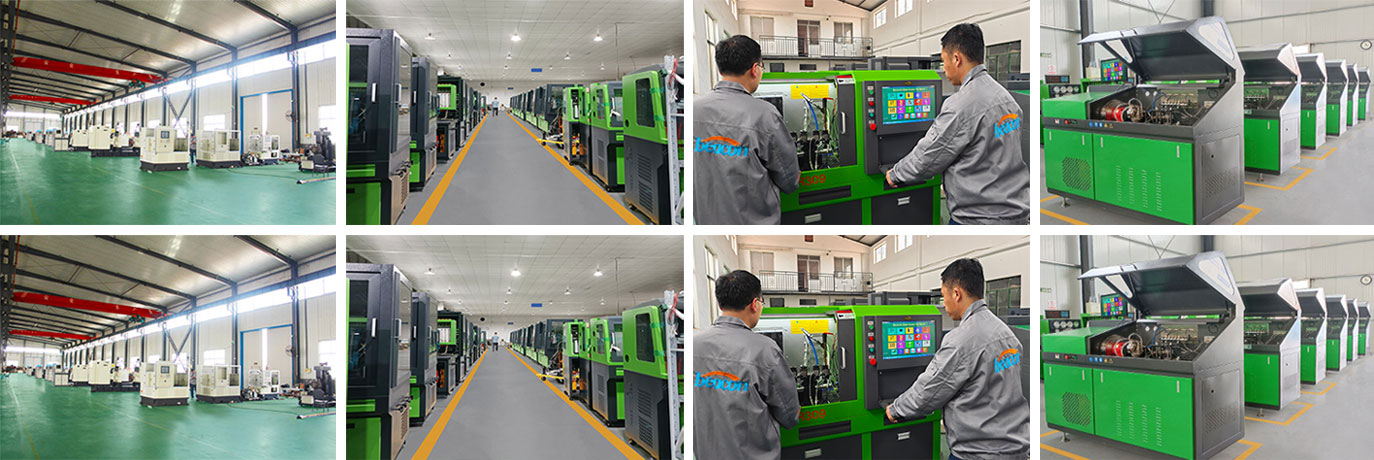
Our factory
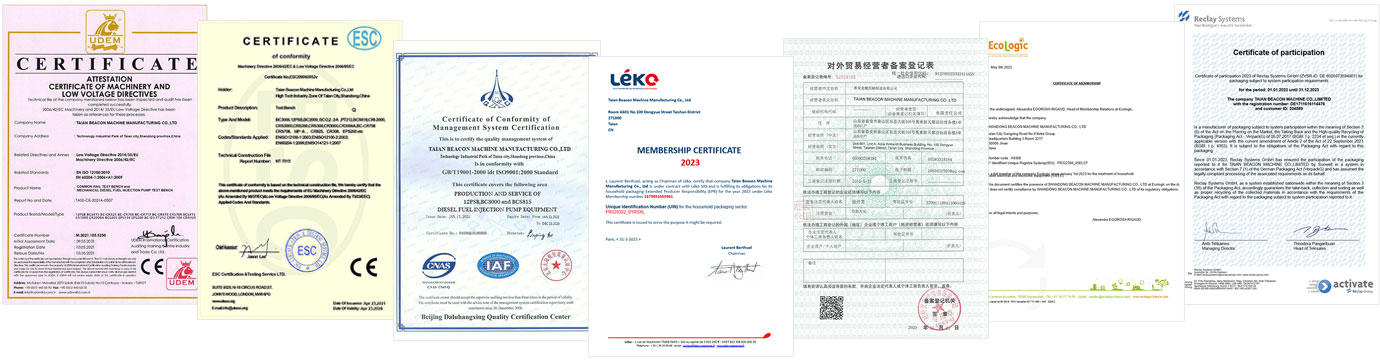
Certification
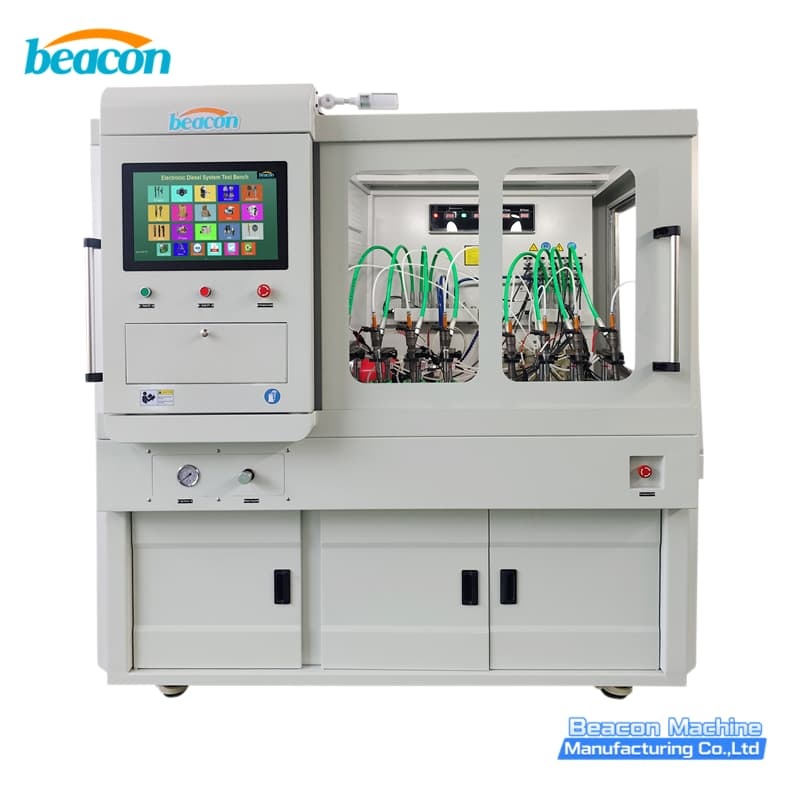
Our Customers

VIEWS:379 Times
contact us
TEL: +86-13375386258
Whatsapp:+86-13375386258
Email: jasonzheng@beacon-machine.com
Address: High Tech Industry Zone of East Tai an city,Shandong Province,China